Type species: Nichollssaura borealis (Druckenmiller & Russell, 2008)
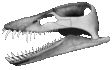
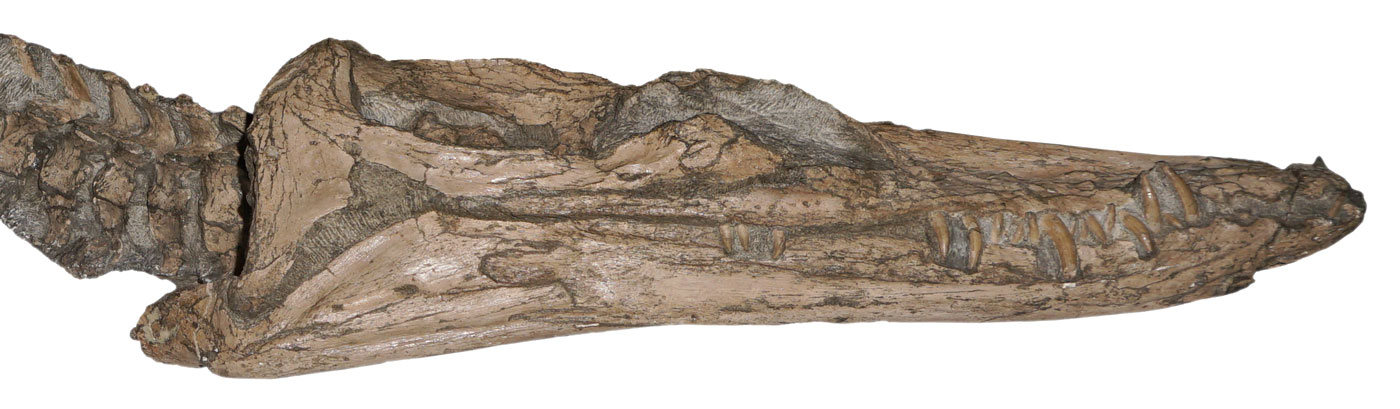
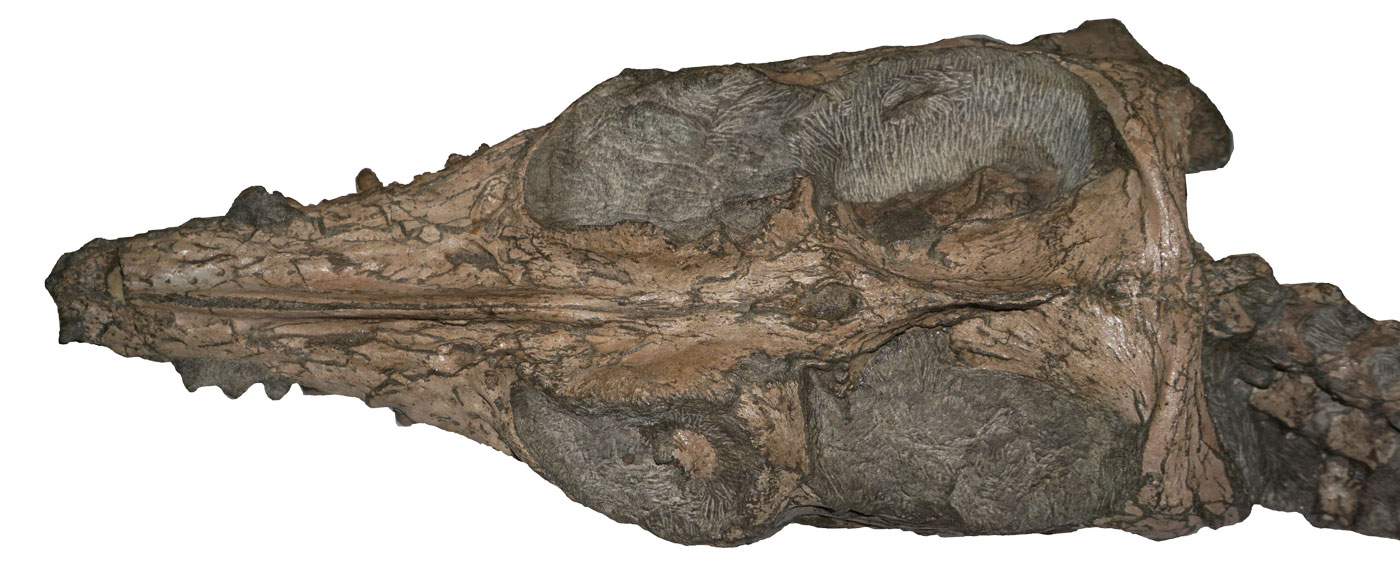
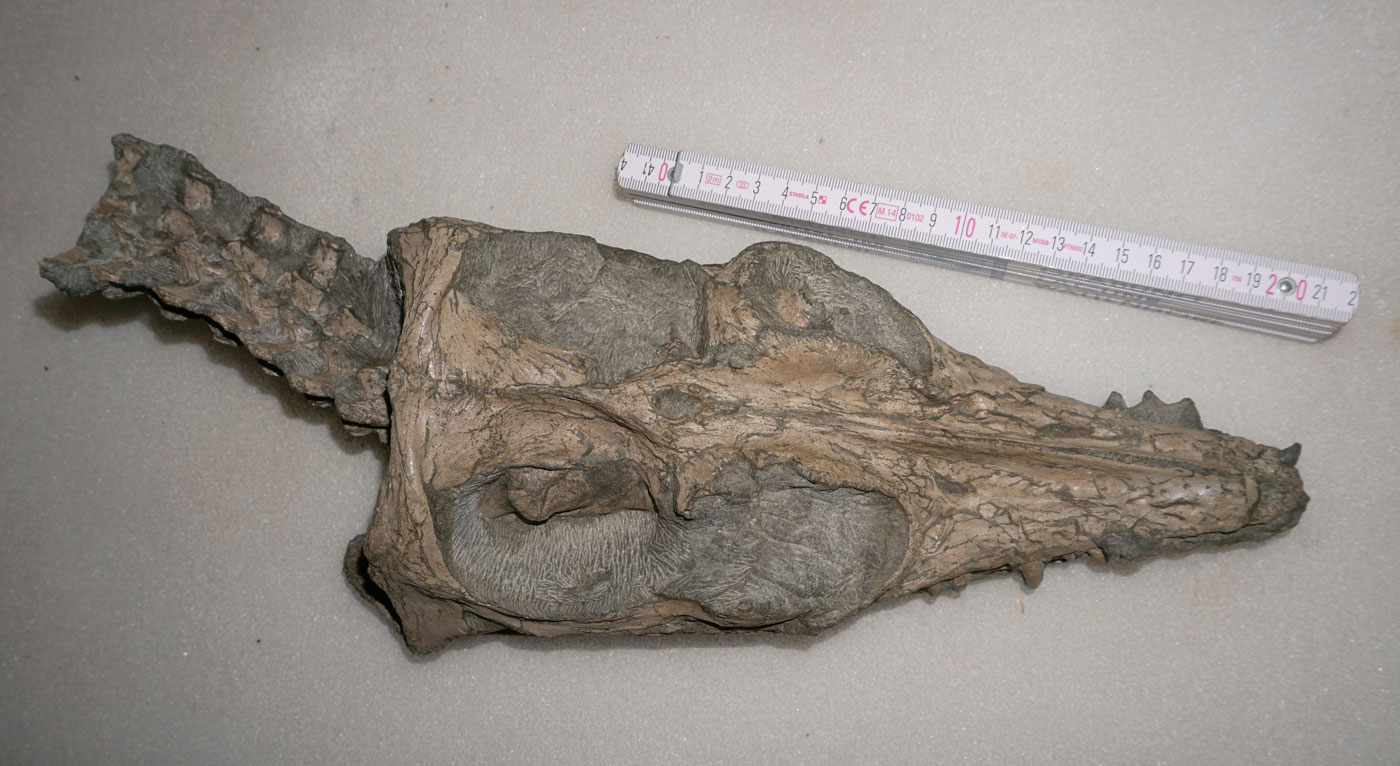
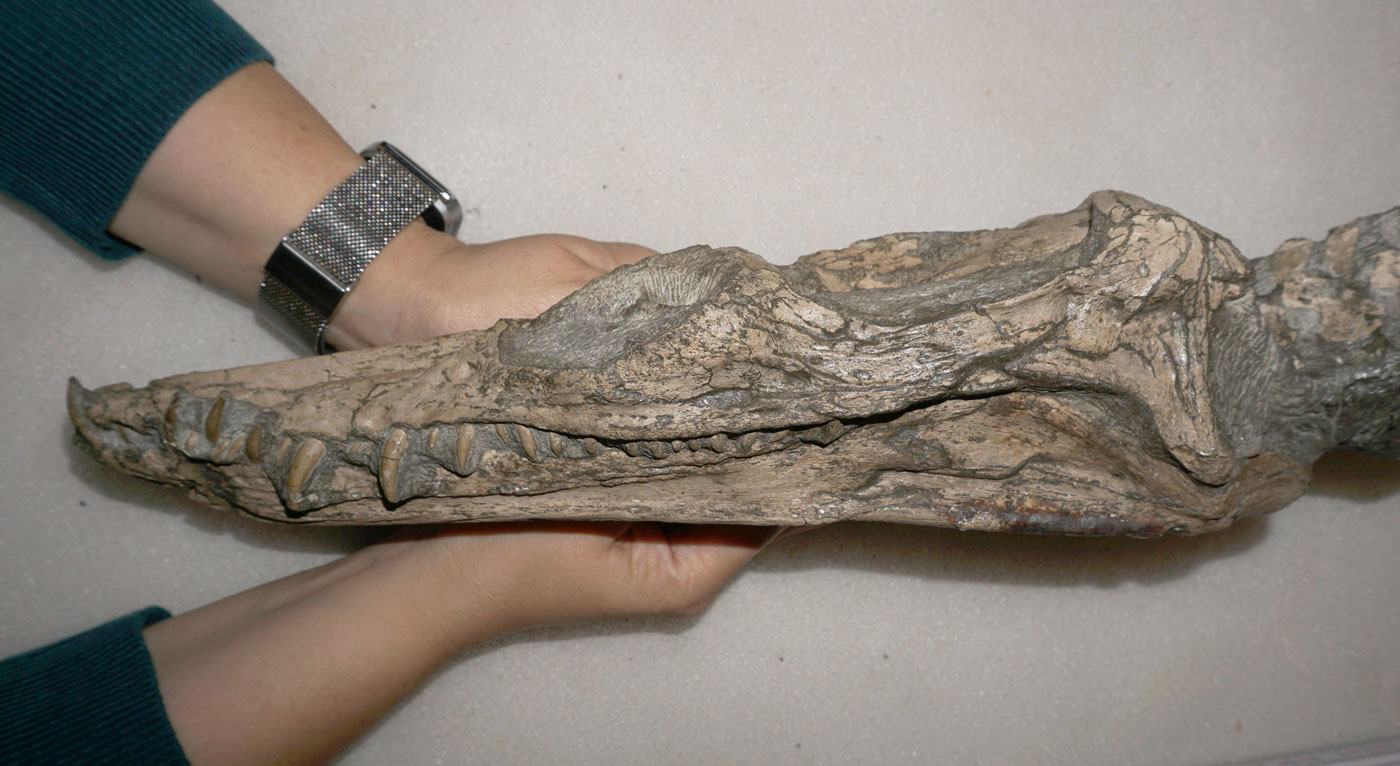
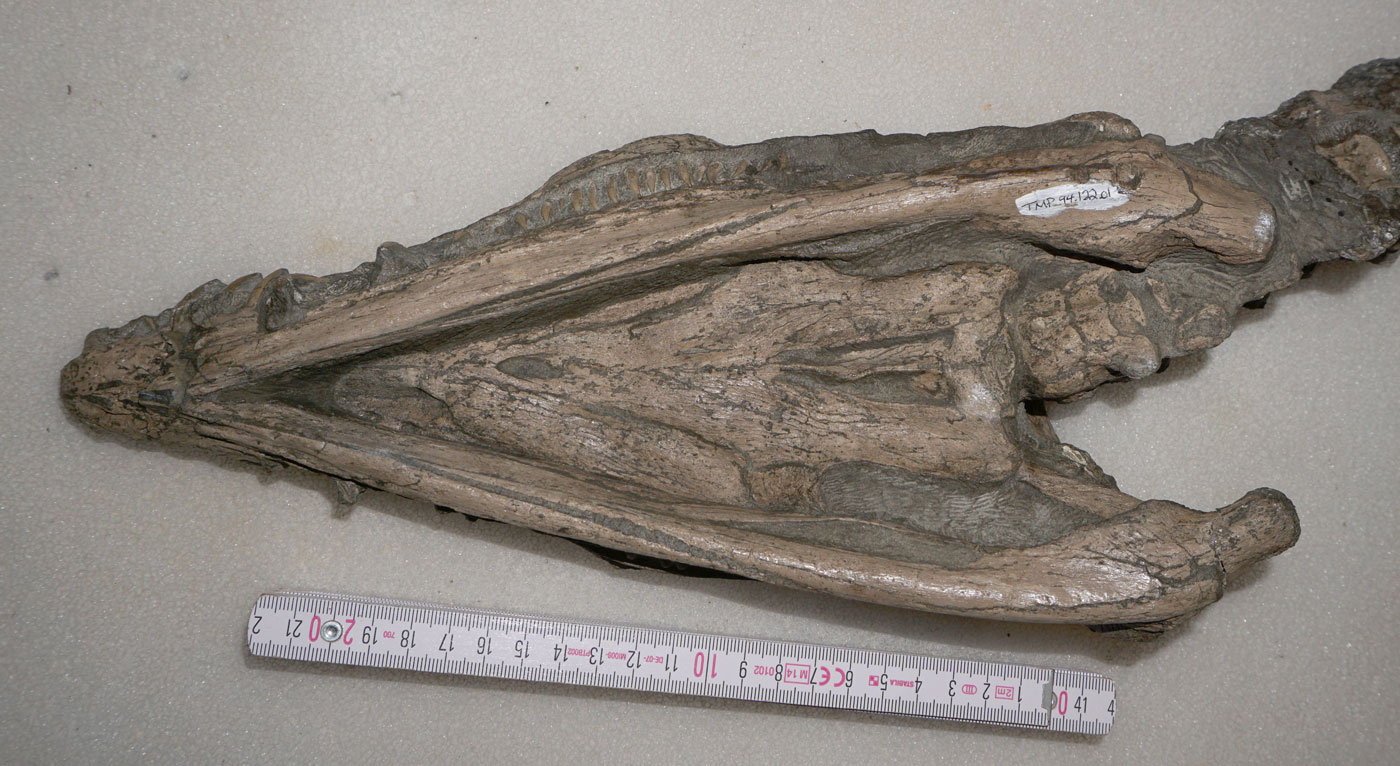
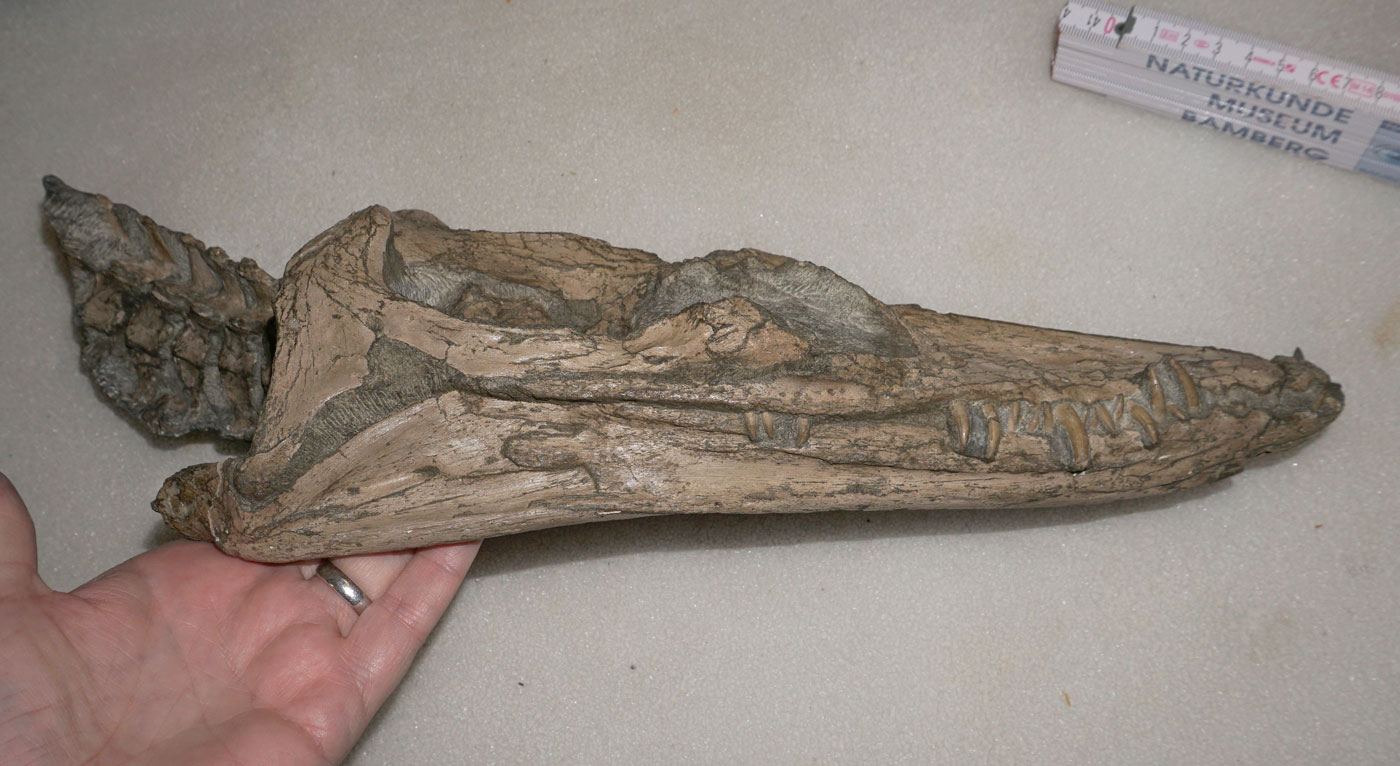
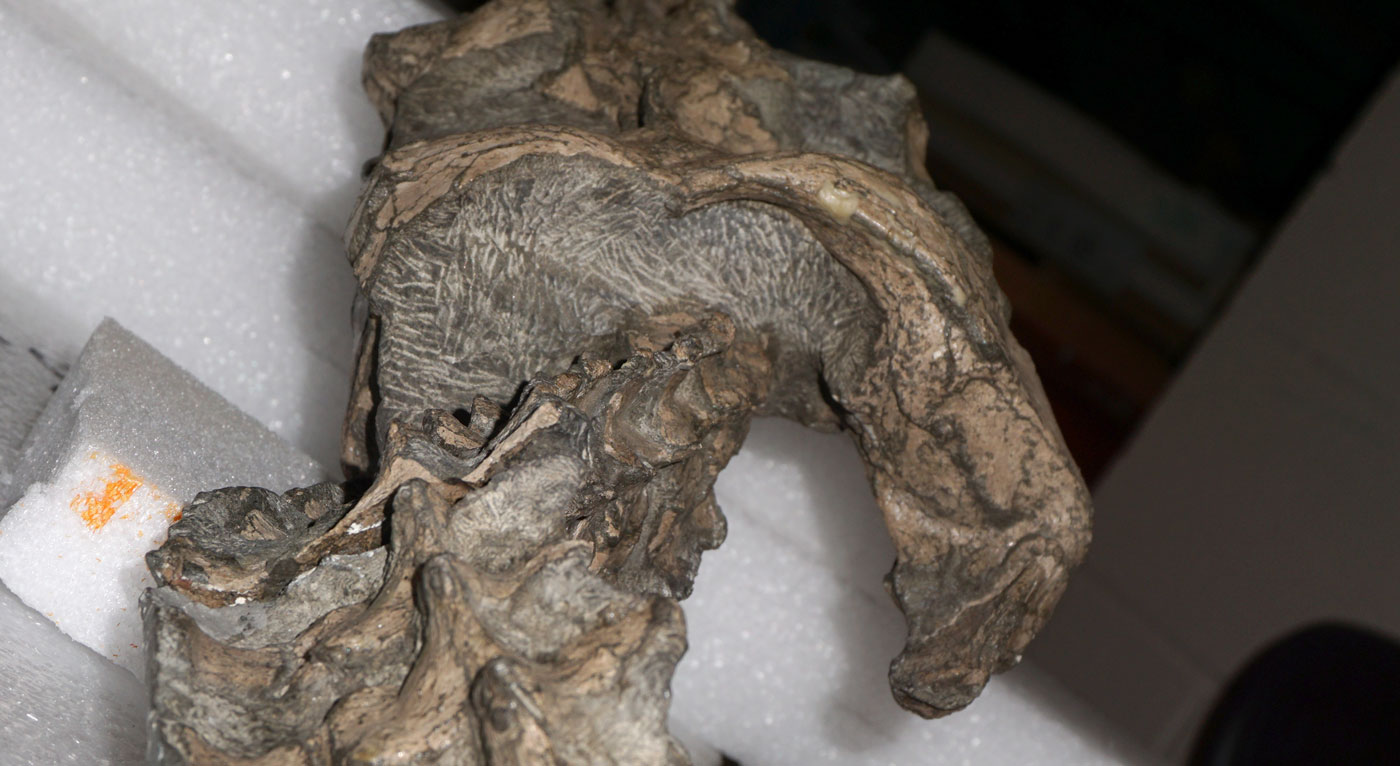
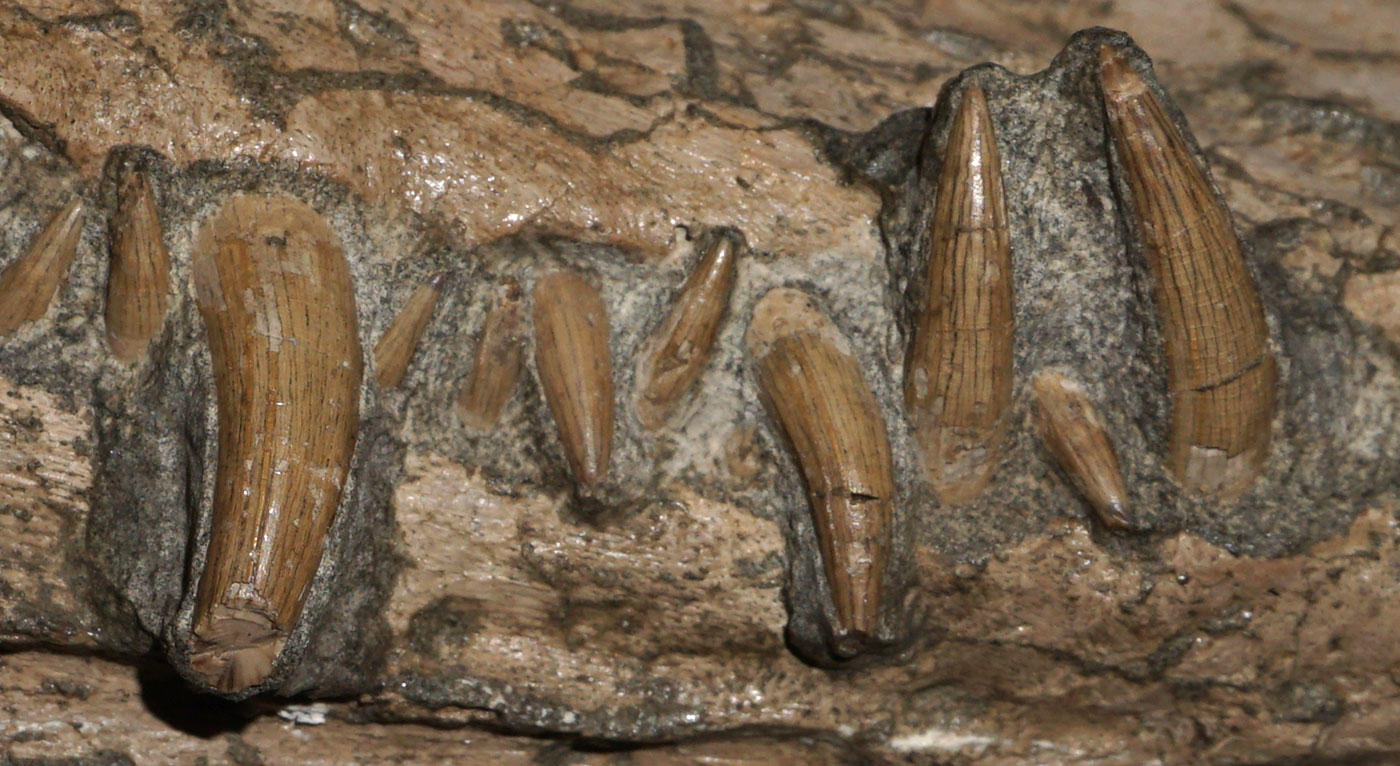
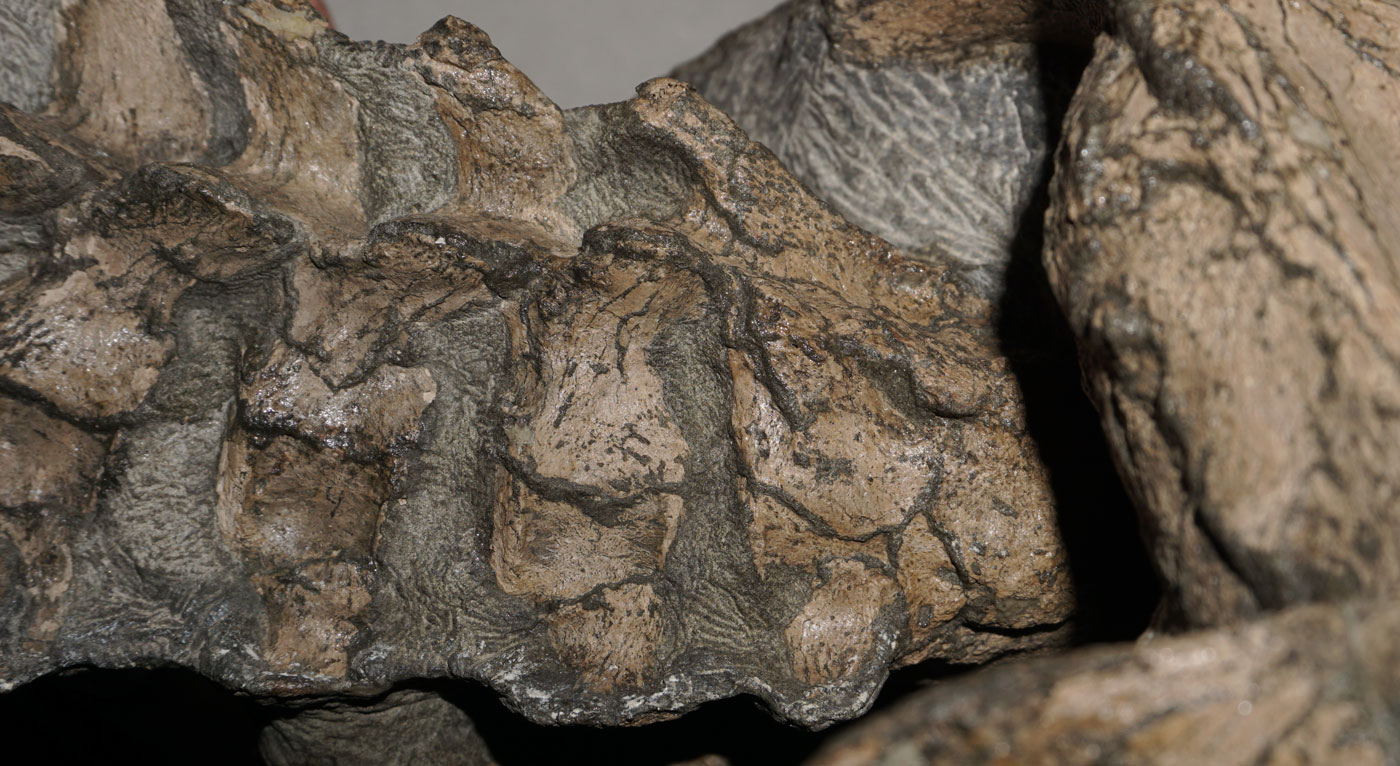
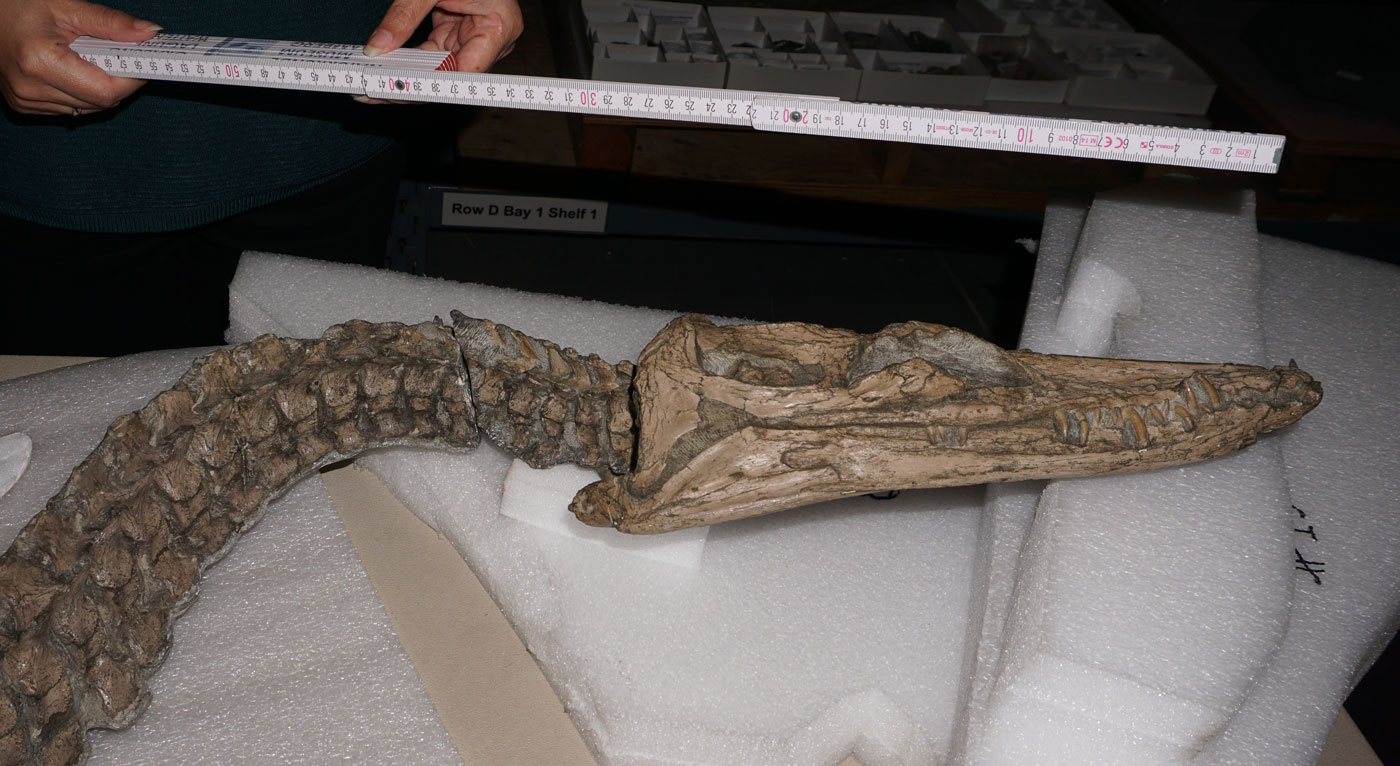
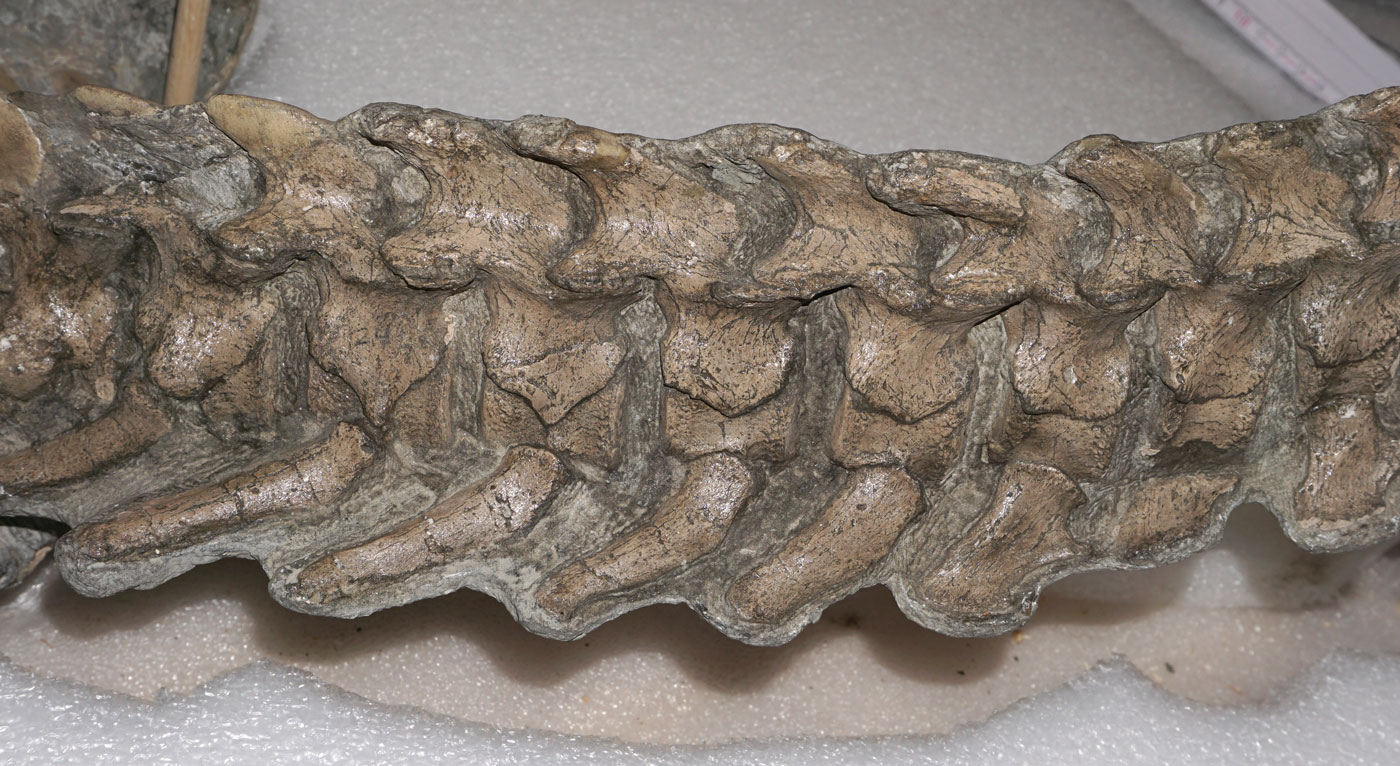
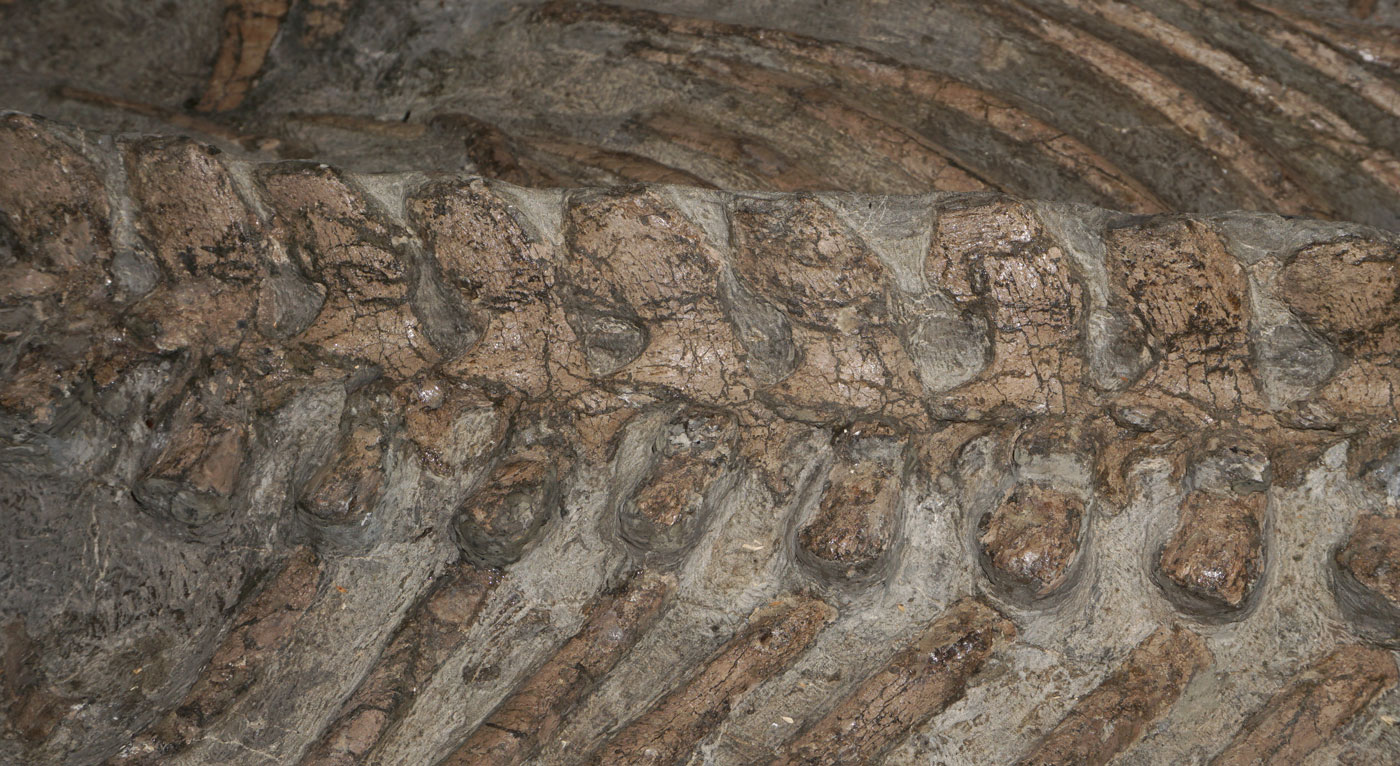
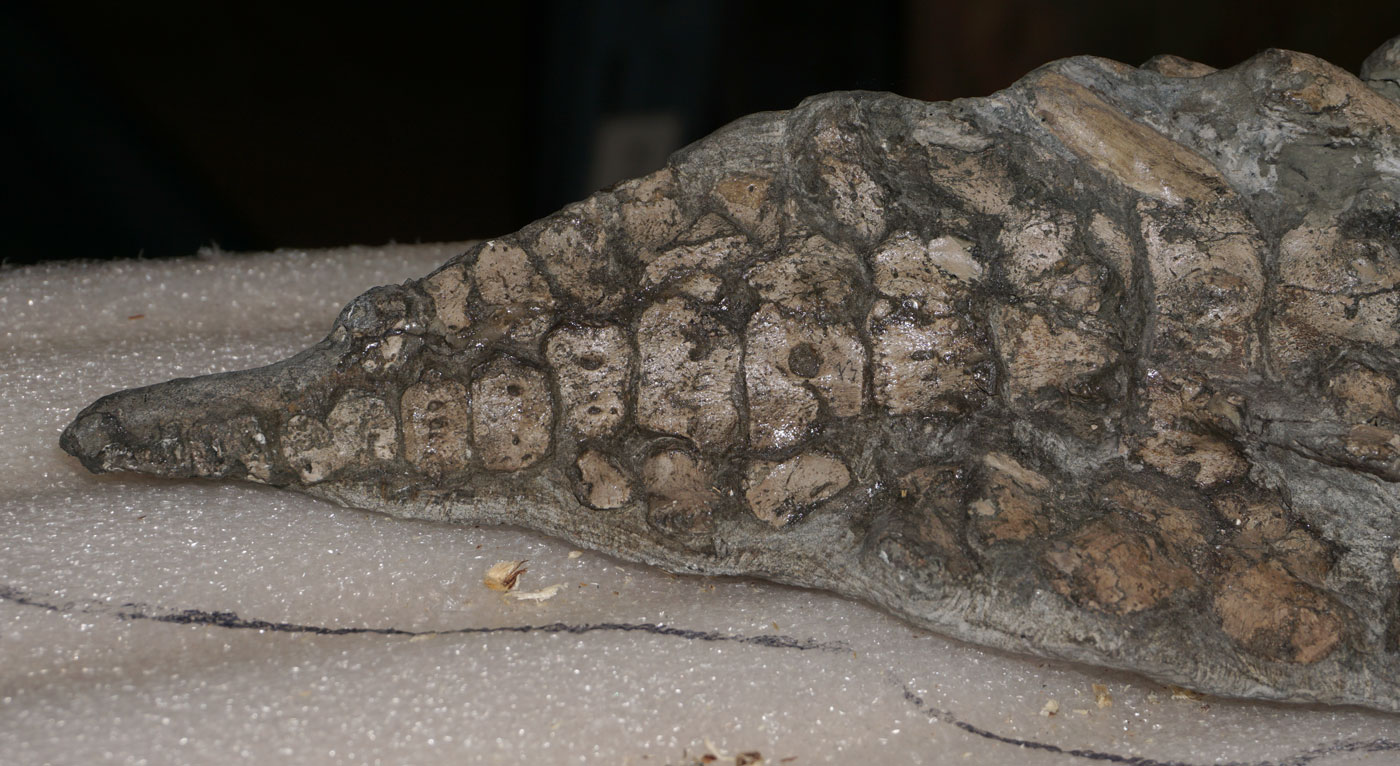
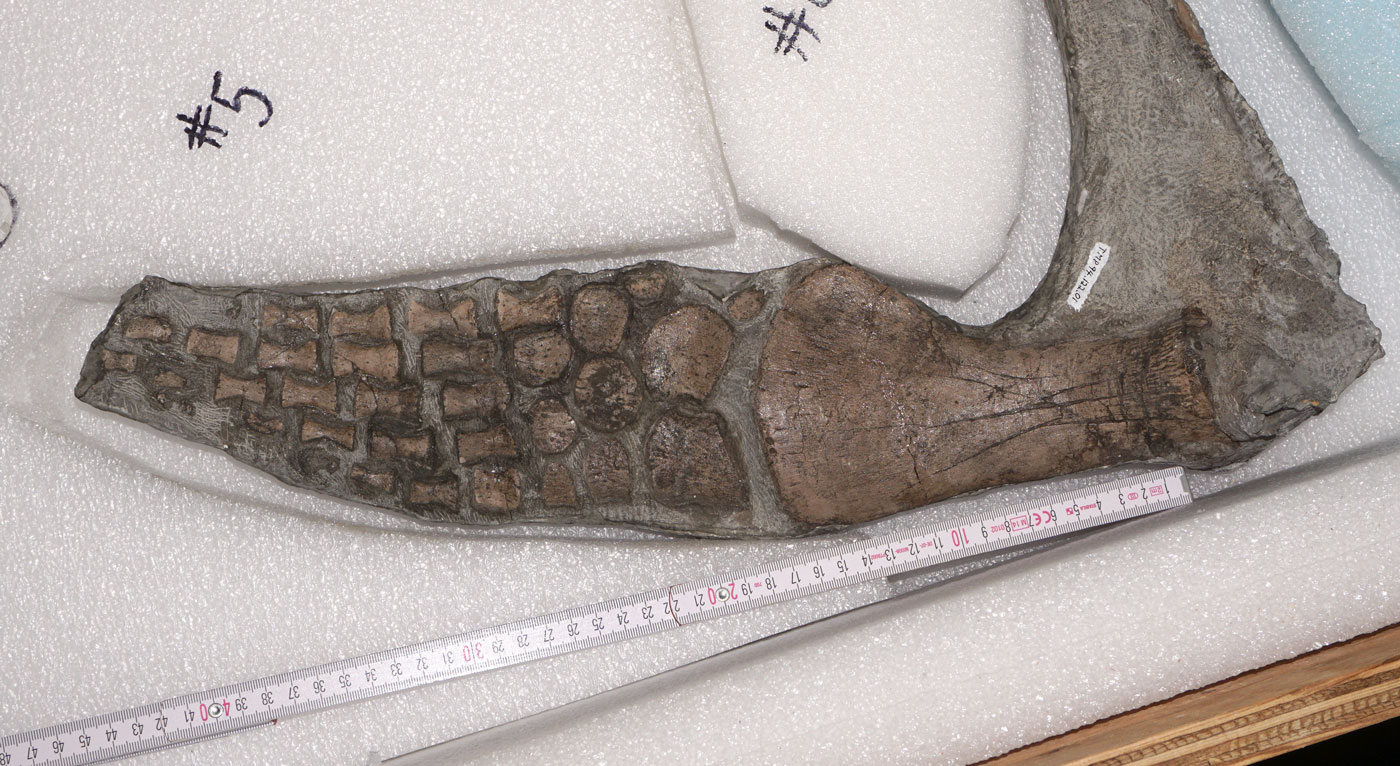
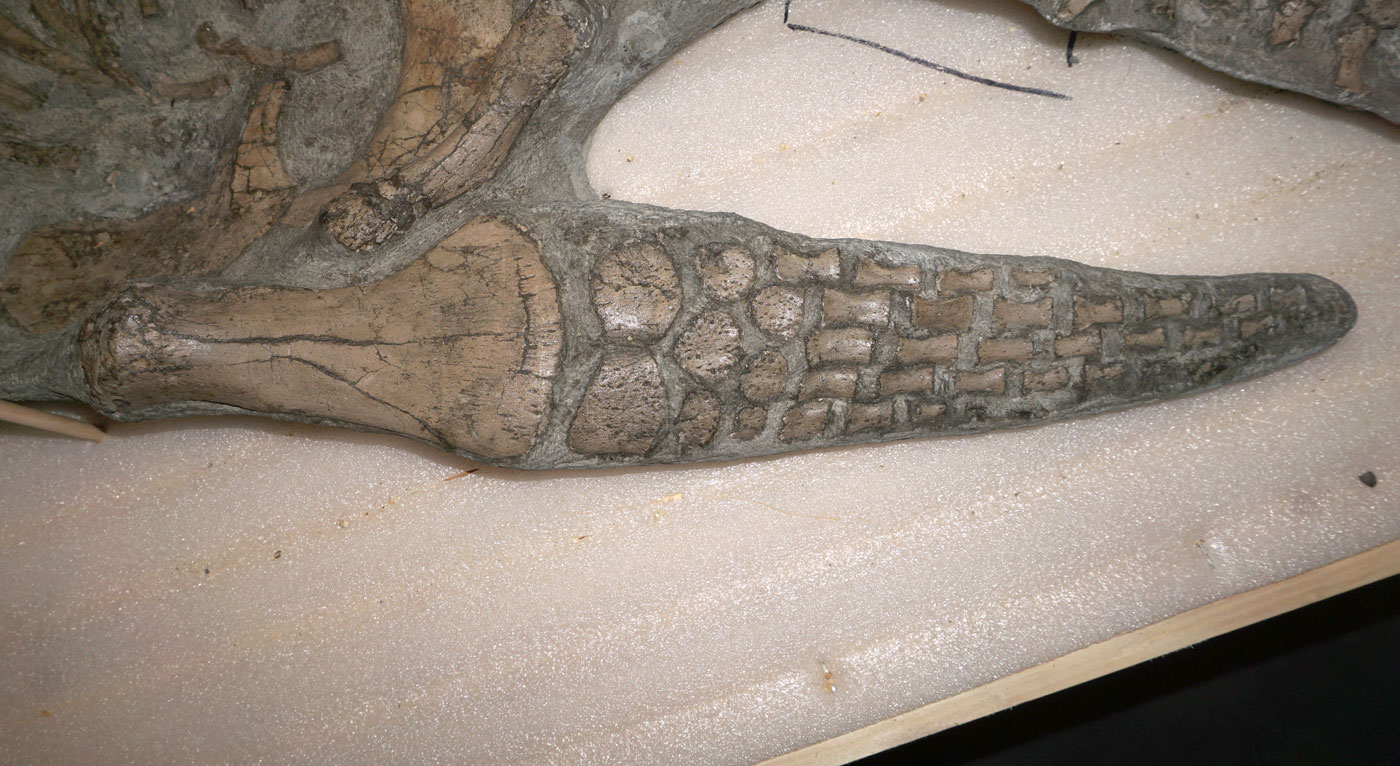
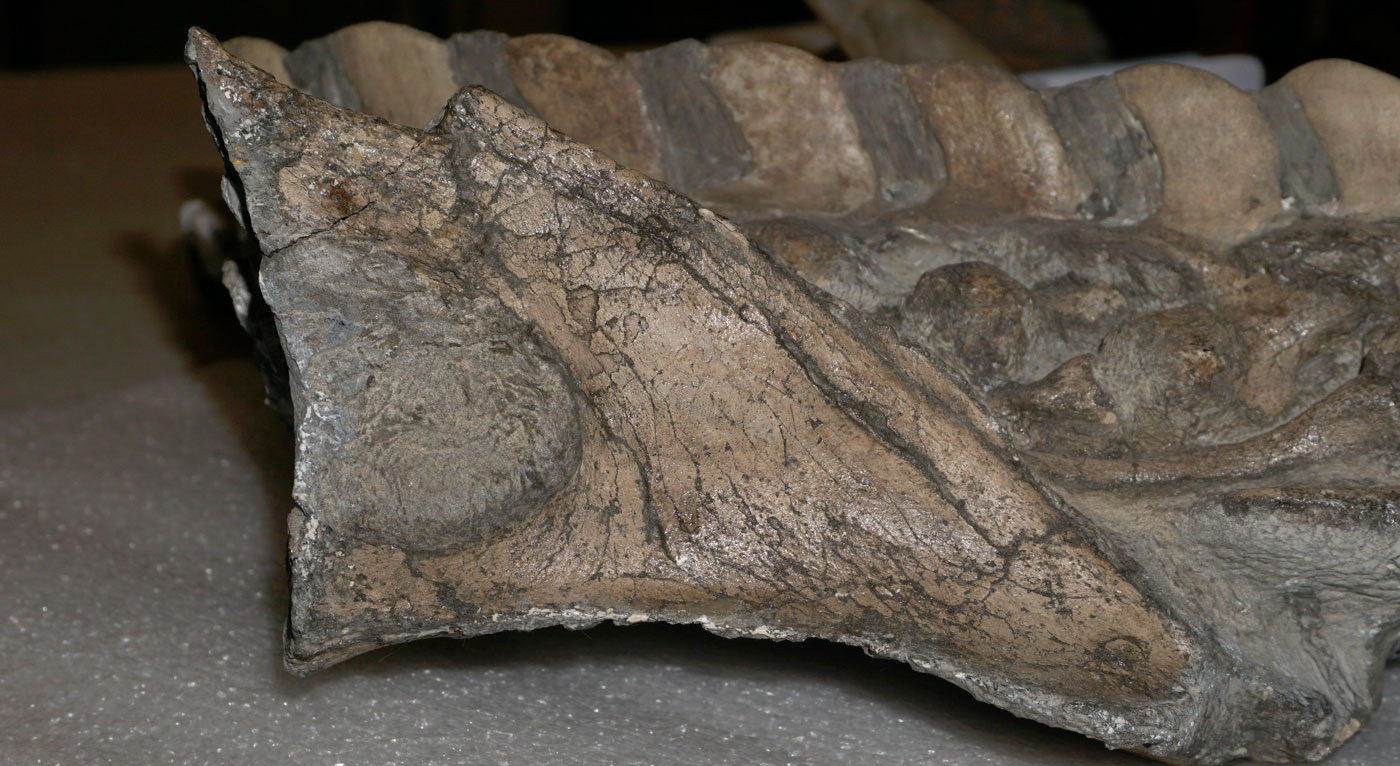
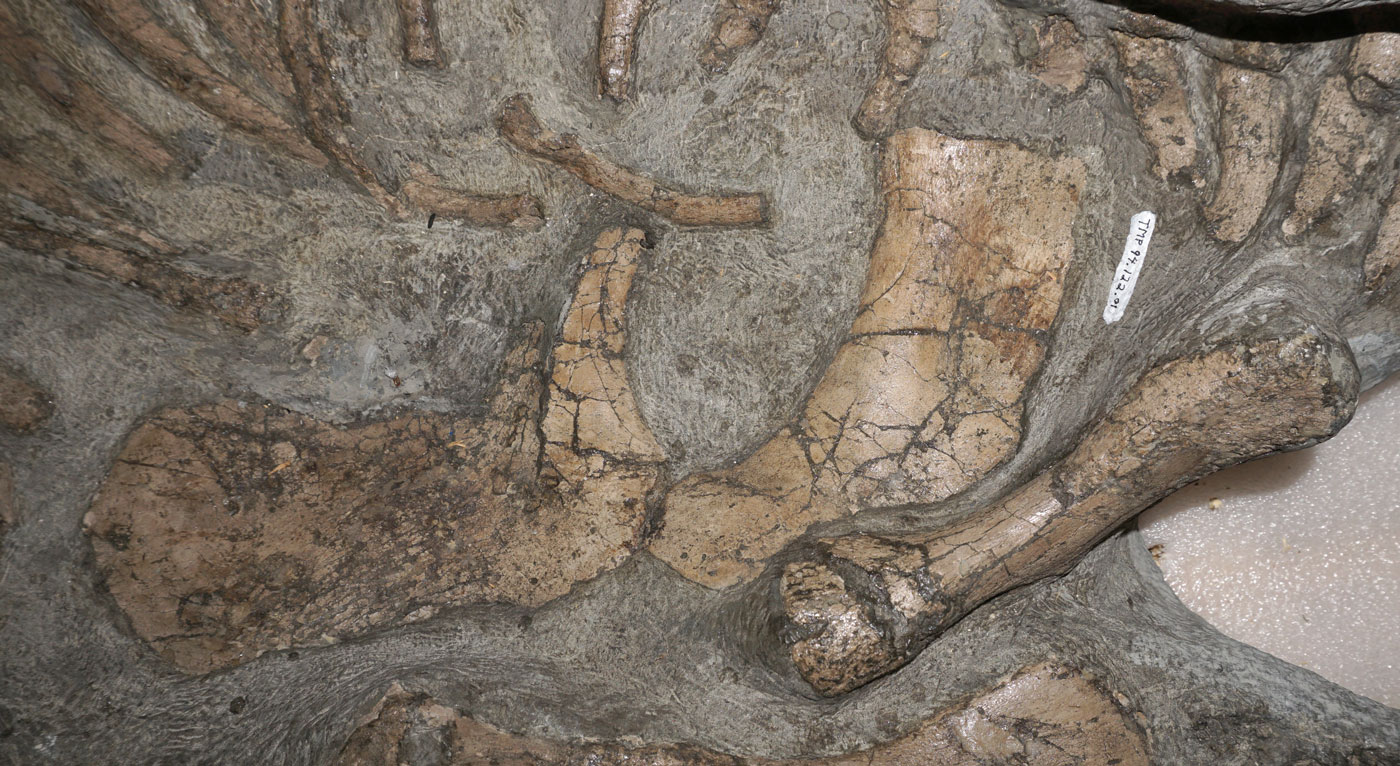
Diagnosis: Small plesiosaur approximately 2.5 meters in length differing from species of Leptocleidus in the following combination of characters: skull narrowly triangular in outline with length to width ratio of 2.0:1; pointed rostrum lacking a rostral constriction at premaxilla/maxilla suture; presence of a prominent dorsomedian ridge of the premaxillae; premaxilla does not contact dorsal border of external naris; presence of 5–6 premaxillary teeth; toothrow lacking abrupt change in tooth diameter, without the development of caniniform teeth in the region of the premaxilla/maxilla suture; diastema absent; nasal present; presence of large, ovoid pineal foramen; dorsoventrally flattened parietal table between sagittal crest and pineal foramen; squamosal vertex relatively flat; orbit and supratemporal fenestra relatively equal in size, with supratemporal fenestra: orbit ratio of 1.23:1; suspensorium nearly vertical; parasphenoid keel extends entire length of posterior interpterygoid vacuity; posterior ramus of pterygoids lateral to posterior interpterygoid vacuity relatively narrow and subrectangular; posterior interpterygoid vacuity narrowly triangular; anterior interpterygoid vacuity present but small; suborbital fenestrae present but relatively small; palatines contact border of internal naris; dentary tooth count 32-34; short symphysis bearing 4-5 dentary teeth; conspicuous grooves on lateral surface of dentary; 24 cervical, 25 dorsal, and 28-29 caudal vertebrae; atlas centrum does not contact anterior margin of atlantal cup; presence of falcate dorsal spines on posterior cervical vertebrae; narrow and dorsally convex apex on dorsal spines of posterior cervical vertebrae; dorsal spines of posterior dorsal vertebrae “flagged” posteriorly; ribs single-headed; presence of a shelf on anterolateral margin of scapula; pubis and ischium nearly identical in anteroposterior length; propodials relatively robust, with broad shafts; little to no difference in length and width of humerus relative to femur; tuberosity of humerus and trochanter of femur broad relative to width of capitulum; epipodials broader than long; preaxial margin of femur concave; two accessory ossicles in fore- and hindlimbs (from Druckenmiller & Russell 2008).
Distribution: Lower Cretaceous, Albian, North America (Canada).