Futabasaurus suzukii Sato, Hasegawa & Manabe, 2006
Holotype: NSM PV15025, incomplete skull and partial, articulated, postcranial skeleton.
Stratum typicum: Irimazawa Member in the upper portion of the Tamayama Formation of the Futaba Group, lower Santonain, Upper Cretaceous.
Locus typicus: Less than a kilometer southwest of Itakizasa near the Ohisa River, Northeast of Tokyo, Fukishima Prefecture, Japan.
Diagnosis: As for the genus.
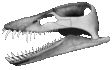
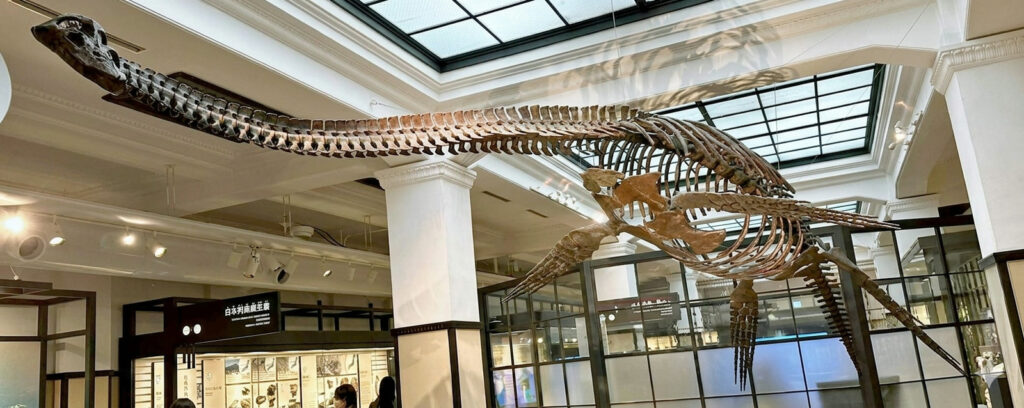
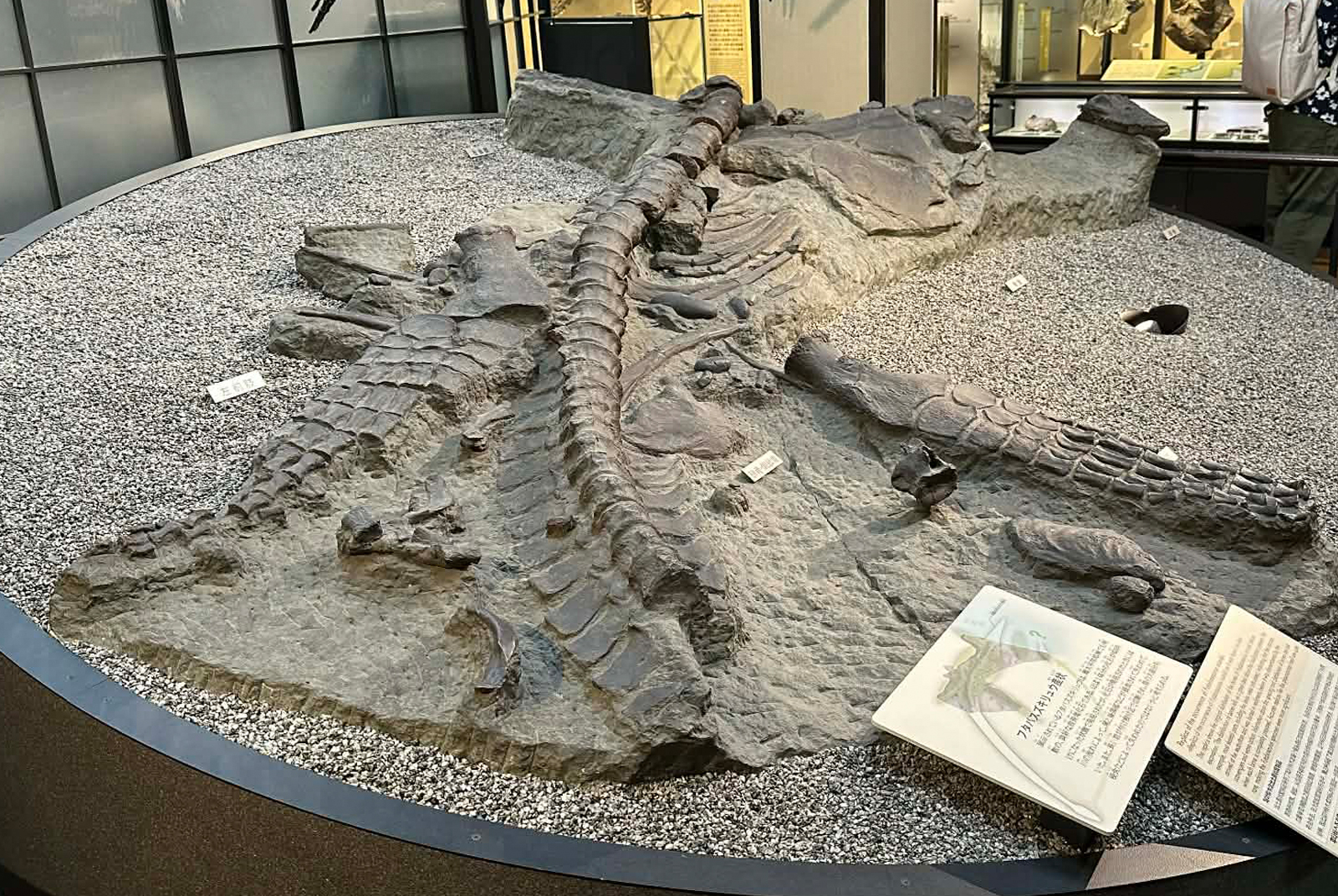
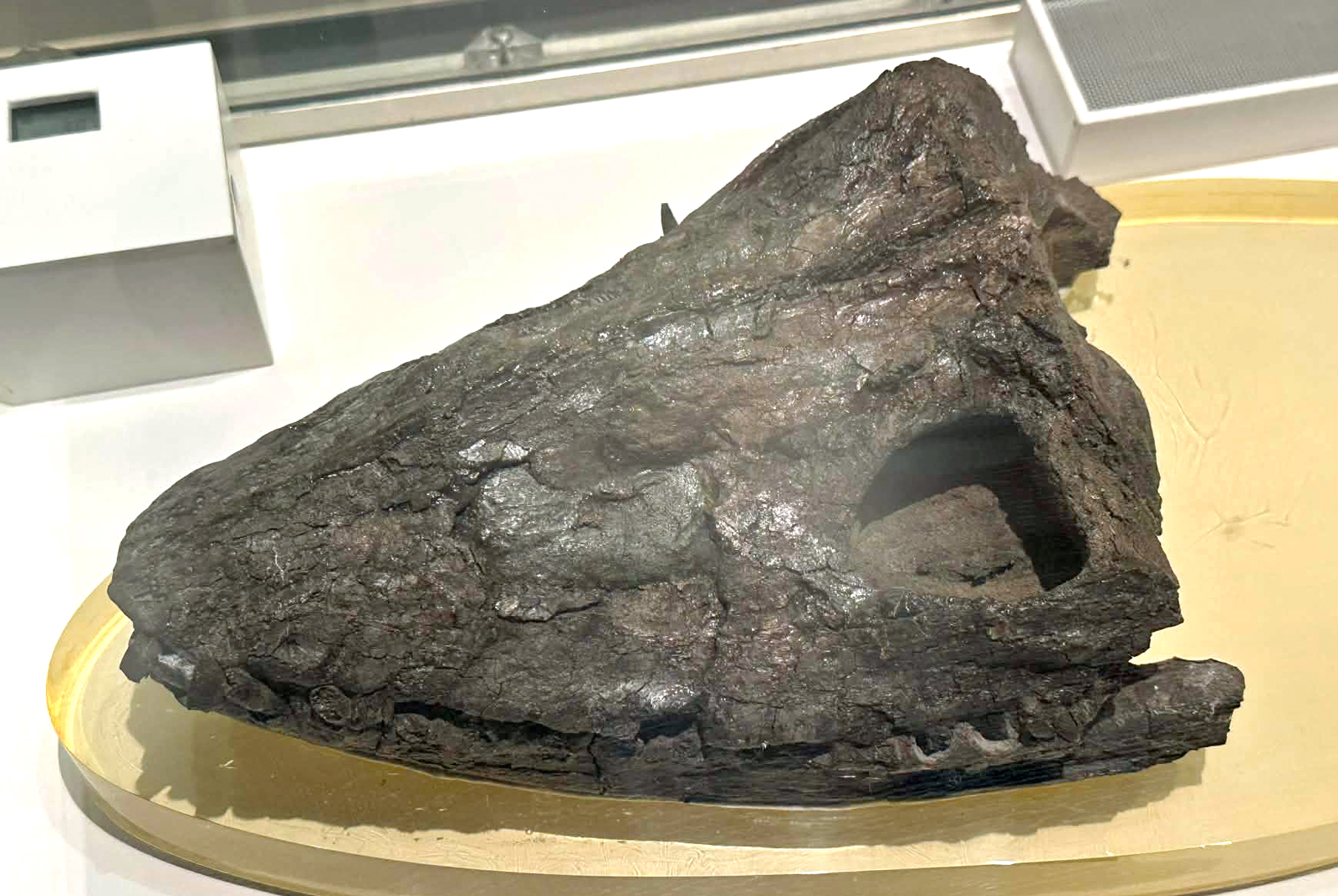
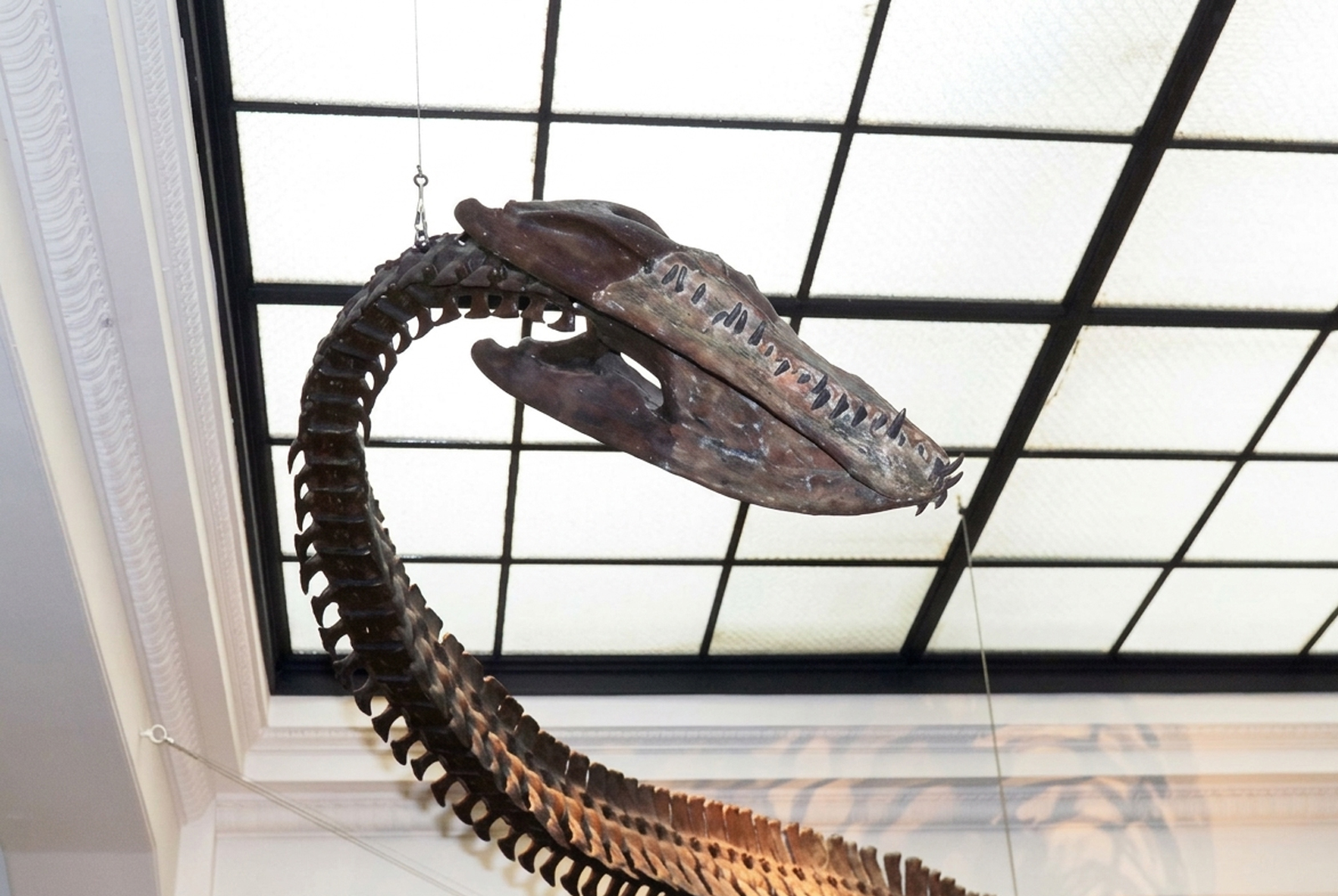
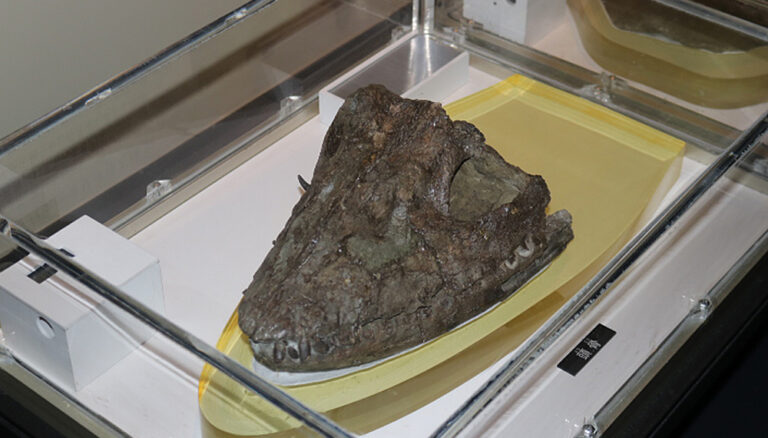
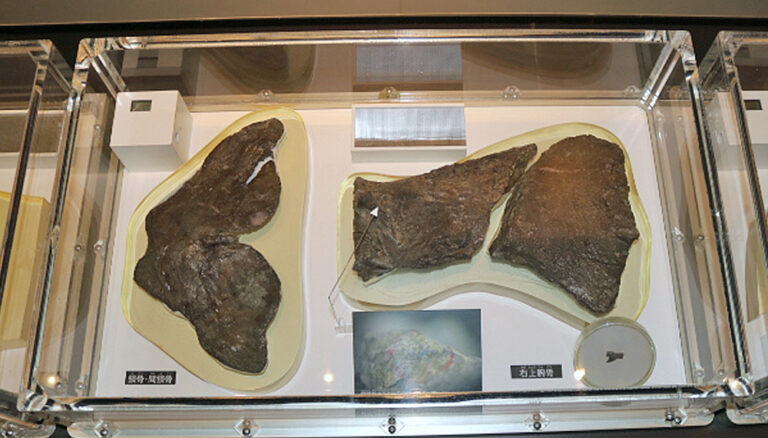
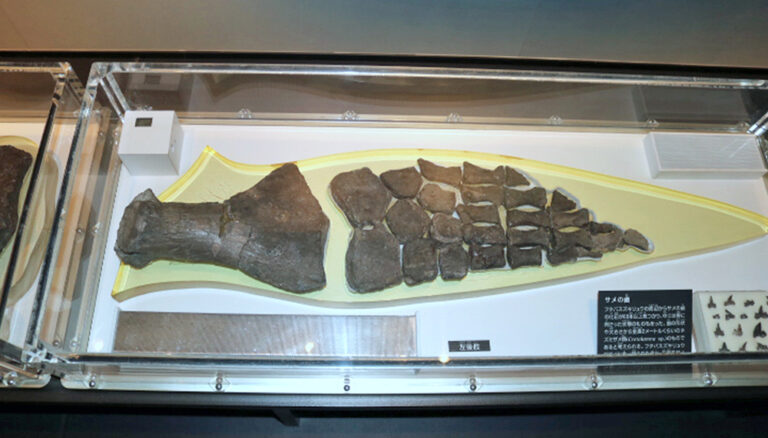
Comments: Futabasaurus suzukii is one of the best known plesiosaurs from the Santonian stage, one of the most complete specimens found in Asia, and the only valid plesiosaur taxon known from Japan. The holotype specimen NSM PV15025 was discovered in 1968 by Mr Tadashi Suzuki in an outcrop next to the Ohisa River northeast of Tokyo (Obata et al. 1970). The specimen was informally called ‘Futaba Suzuki Ryu’ (‘ryu’ meaning dragon in Japanese) before it was formally described and named as a new genus and species by Sato et al. (2006). Today, a cast of the in-situ arrangement of the bones from the excavation in addition to a cast skeleton of Futabasaurus suzukii are on display at the National Science Museum in Tokyo. The original partial skull, interclavicle arch, right humerus, and partial left flipper are also on exhibition behind sealed display cases to protect the fossils from pyrite disease. The holotype is an osteologically mature adult with an estimated length of 6.4–9.2 meters (Sato et al. 2006). The late ontogenetic stage is indicated by the fused cranial elements and (sensu Brown 1981) vertebrae with neural arches fused to the centra. The skull is notable for a large ‘boss’ on the dorsomedial side of the premaxillae, an overall low tooth count (Sato et al. 2006 considered 15 maxillary teeth to be present), and a short mandibular symphysis that extended only to the level of the second or third dentary tooth. Furthermore, Futabasaurus suzukii is peculiar for having a broad rostrum and teeth with a circular cross-section. Shed shark teeth are found around the skeleton with some even embedded in the vertebrae and humerus, thus the body was scavenged soon after death. So far, only the type specimen (NSM PV15025) can be attributed to the genus, even though there is additional plesiosaur material from the Tamayama Formation (Sato et al. 2012). Futabasaurus suzukii is placed within the clade, Weddellonectia, which includes mainly circum-Pacific and Southern Hemisphere elasmosaurids in several modern studeis (e.g. O’Gorman 2019, O’Keefe et al. 2025). Further work is needed to piece together the biogeographical dispersal of elasmosaurids in the Pacific, and the relatively early age of Futabasaurus (early Santonian) make this plesiosaur crucial to these efforts.