Sachs, S., Niedźwiedzki, R., Kędzierski, M., Kear, B.P., Jagt-Yazykova, E. & Jagt, J.W.M. (2016) A reassessment of historical plesiosaurian specimens from the Turonian (lower Upper Cretaceous) of the Opole area, southwest Poland. In: Sachs, S., Kear, B.P. & Lindgren (eds) 5th Triennial Mosasaur Meeting – a global perspective on Mesozoic marine amniotes. Abstracts and Program: 40-42.
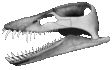
—In 1897, Richard Leonhard presented brief descriptions and some illustrations of a few plesiosaurian remains (teeth and a supposed phalanx) from the lower Turonian of the Opole area (southwest Poland). Leonhard assigned the teeth to Polyptychodon interruptus and established a new genus, Plesiosauridarum (a species name was not supplied, making this a nomen nudum), for the supposed phalanx. Until recently, the whereabouts of all these specimens were unknown. However, during a recent survey of several Polish and German collections, most of Leonhard’s specimens could be relocated. Furthermore, other historical, still undescribed specimens (i.e., a tooth and paddle element) were encountered, and these supplement Leonhard’s material. Most of the original material has probably been found in now abandoned quarries in the area. Active quarrying is done at the Odra Nowa quarry in the Opole city area, but so far no plesiosaurian remains have been collected there. In total, four slender pliosauromorph teeth from the Opole area are available for study. These differ from the typically more massive teeth of Late Cretaceous pliosaurids (Brachauchenius/Megacephalosaurus) and the pliosauromorph teeth from coeval strata in the Bohemian Cretaceous Basin (Czech Republic; see Kear et al., 2014). However, a closely similar tooth crown has recently been described from the upper Turonian of the Saxonian Cretaceous Basin (eastern Germany; see Sachs et al., 2016). Generic placement of isolated pliosauromorph teeth from Cretaceous strata to the genus Polyptychodon is commonly seen in old literature sources.