Sachs, S., Hornung, J.J., Lallensack, J. & Kear, B.P. (2016) Evidence for a Simolestes-like plesiosaurian from the Berriasian (Lower Cretaceous) limnic-brackish Bückeberg group of northwestern Germany. In: Sachs, S., Kear, B.P. & Lindgren (eds) 5th Triennial Mosasaur Meeting – a global perspective on Mesozoic marine amniotes. Abstracts and Program: 35-37.
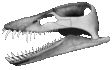
—The middle to late Berriasian Bückeberg Group of northwestern Germany has yielded a number of plesiosaurian fossils. These include Europe’s most complete Lower Cretaceous plesiosaurian, Brancasaurus brancai, in the fine grained, argillaceous Isterberg Formation near Gronau in Westfalen. Recently a second taxon, Gronausaurus wegneri was identified from the same locality and stratum (Hampe 2013) A higher diversity in the Bückeberg Group plesiosaurian assemblage is indicated by pliosauromorph and other plesiosaurian vertebrae from strata in the upper part of the sequence (see e.g. Koken 1896; Hornung et al., 2013), and both vertebrae and rib components described as Plesiosaurus degenhardti, from sandstones of the more marginal Deister Formation near Obernkirchen, Lower Saxony (Koken 1896). The only plesiosaurian cranial remains thus far documented from the Bückeberg Group were with the holotype specimens of B. brancai, and G. wegneri. These collectively characterize the classical “plesiosauromorph” morphology of a comparatively small head, long neck and slender conical teeth. Here we report on a newly discovered incomplete mandible representing a large-skulled, macrophagous plesiosaurian found within the coarse-grained nearshore facies from the Deister Formation of the Bückeberge range, probably near Obernkirchen.