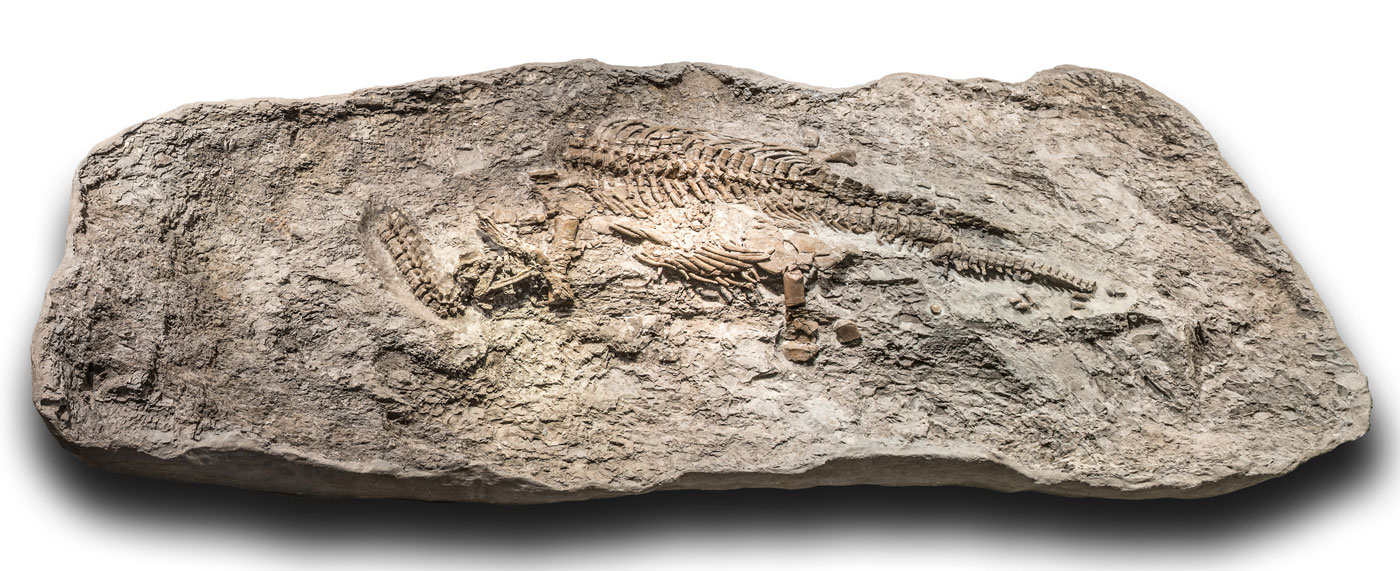
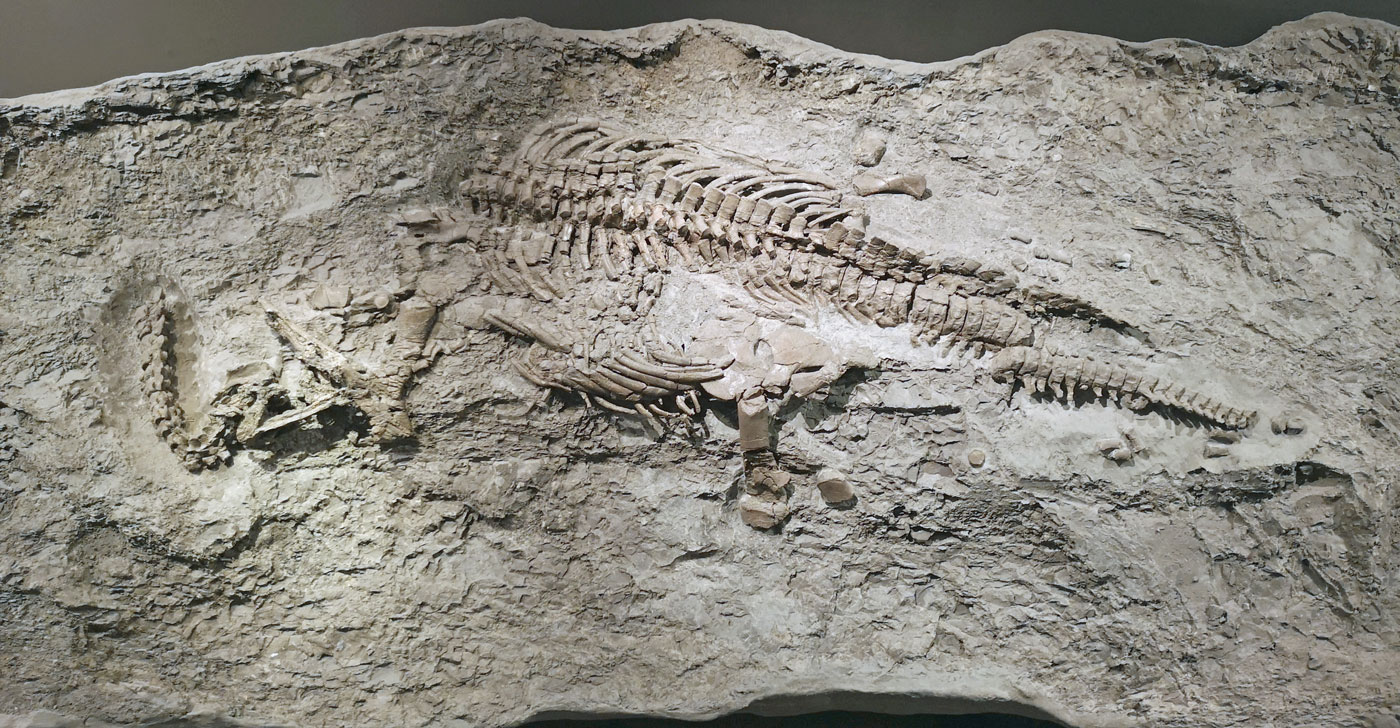
Genus Rhaeticosaurus Wintrich, Hayashi, Houssaye, Nakajima & Sander, 2017
Type species: Rhaeticosaurus mertensi Wintrich, Hayashi, Houssaye, Nakajima & Sander, 2017
Diagnosis: Small-bodied plesiosaurian with an estimated total length of 237 cm. The taxon has two autapomorphies: a modified V-shaped neurocentral suture in the anterior and middle cervical vertebrae. In Rhaeticosaurus, the sides of the “V” are ventrally concave, and the tip of the “V” almost reaches the ventral margin of the centrum. In other plesiosaurians with a V-shaped neurocentral suture, the sides of the “V” are straight, and the tip only extends to the middle of the centrum. The second autapomorphy is greatly foreshortened zeugopodials with a humerus/radius ratio of 3.8 and a femur/tibia ratio of 4.3. In addition, there are 10 unambiguous but not unique synapomorphies (from Wintrich et al. 2017).
Distribution: Late Triassic, Rhaetian, Europe (Germany).
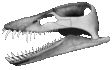
Rhaeticosaurus mertensi Wintrich, Hayashi, Houssaye, Nakajima & Sander, 2017
Holotype: LWL-MfN P 64047, largely complete and articulated skeleton.
Stratum typicum: Dark marine mudstones of the Exter Formation, Rhaetian, Late Triassic.
Locus typicus: Clay pit of the Lücking company, Warburg-Bonenburg, North Rhine-Westphalia, Germany.
Diagnosis: As for the genus.
Comments: The type locality at Warburg-Bonenburg yielded additional, as yet undescribed, plesiosaur material that likely also belongs to Rhaeticosaurus mertensi (Schwermann & Sachs, 2026).
Systematic palaeontology (sensu Wintrich et al. 2017)
Plesiosauria de Blainville, 1835
Pliosauridae Seeley, 1874
Institutional abbreviations
LWL-MfN, LWL-Museum für Naturkunde, Münster in Westfalen, Germany.
Photo credits
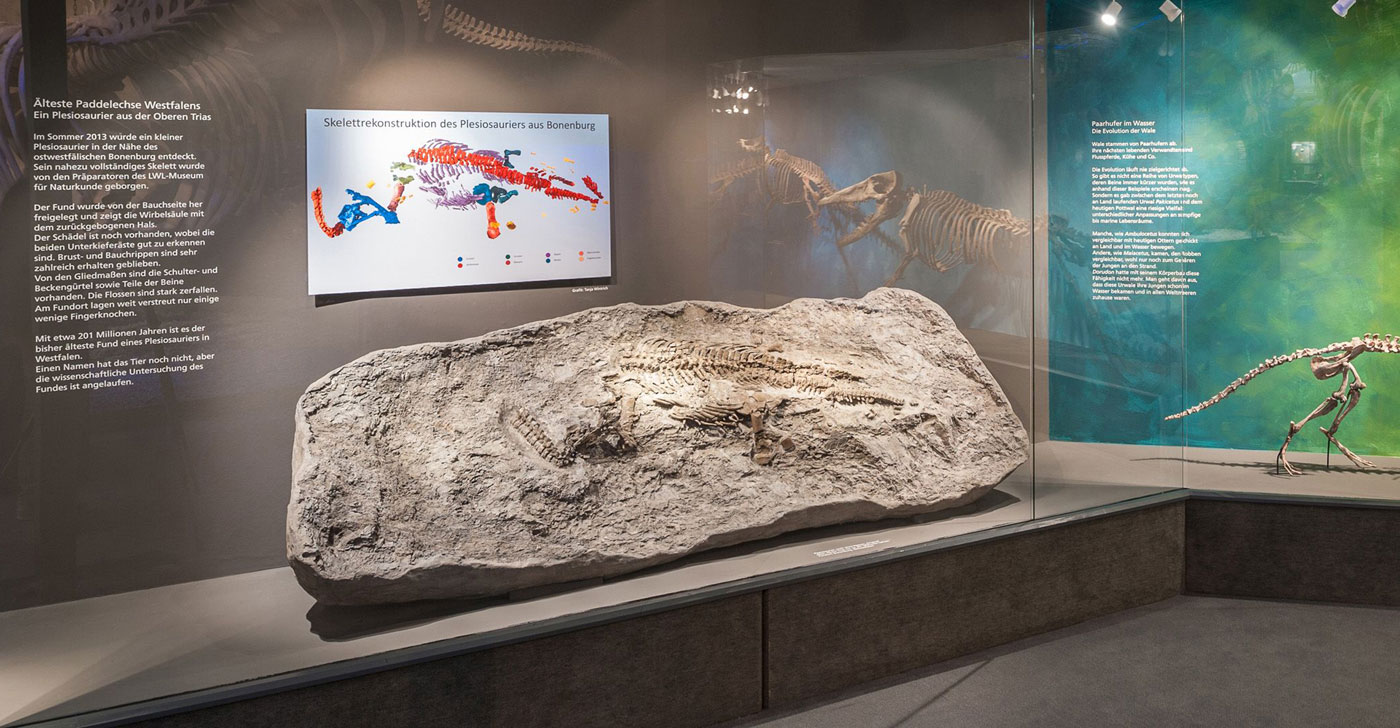
The title image and the photo of the Rhaeticosaurus skeleton in the former exhibition were kindly provided by the LWL-Museum für Naturkunde, Münster (Photo: LWL/Steinweg)
Cited literature
de Blainville, H. M. D. (1835) Description de quelques espèces de reptiles de la Californie, précédée de l’analyse d’une système générale d’Erpetologie et d’Amphibiologie. Nouvelles Archives du Muséum d’Histoire Naturelle. 4, 233–296.