Megacephalosaurus eulerti

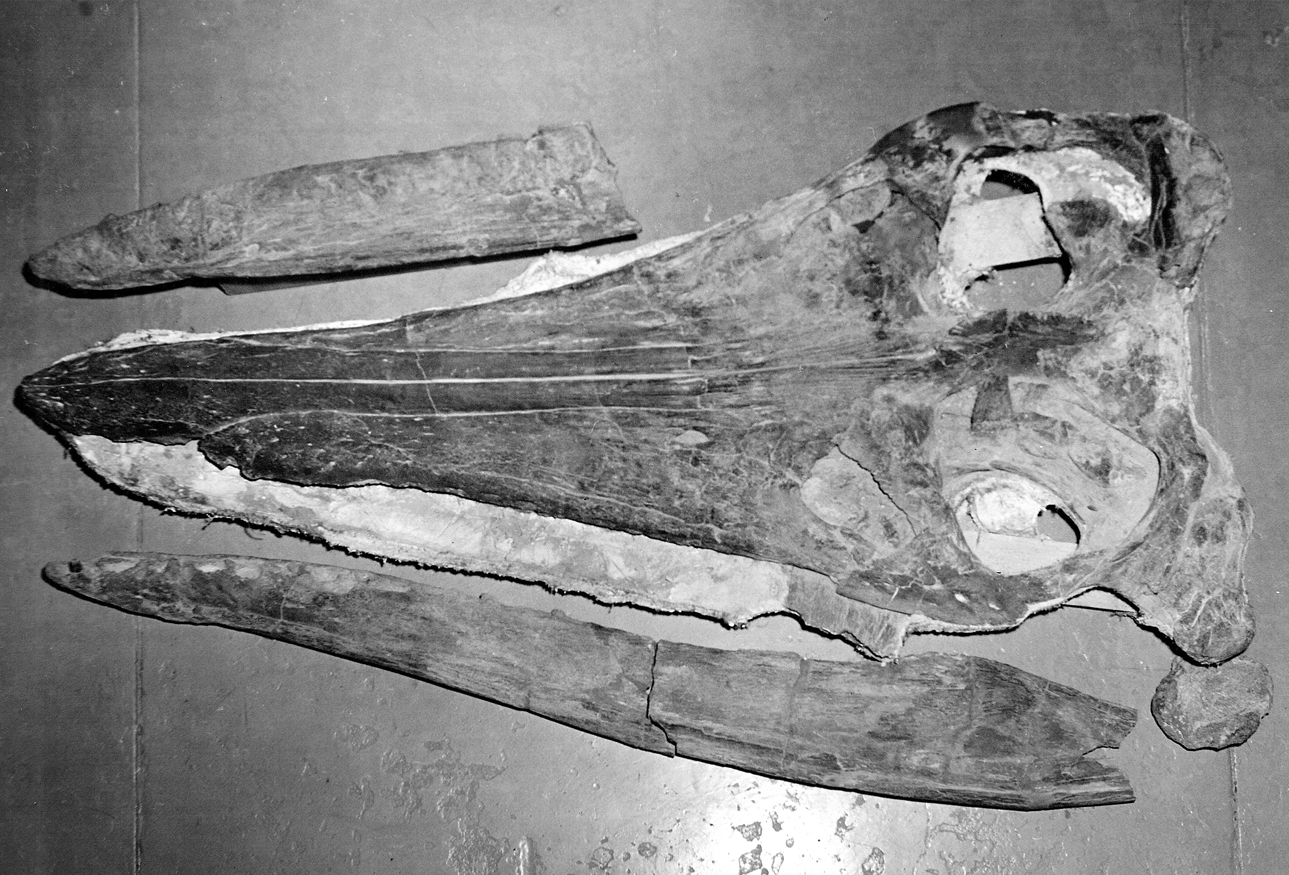
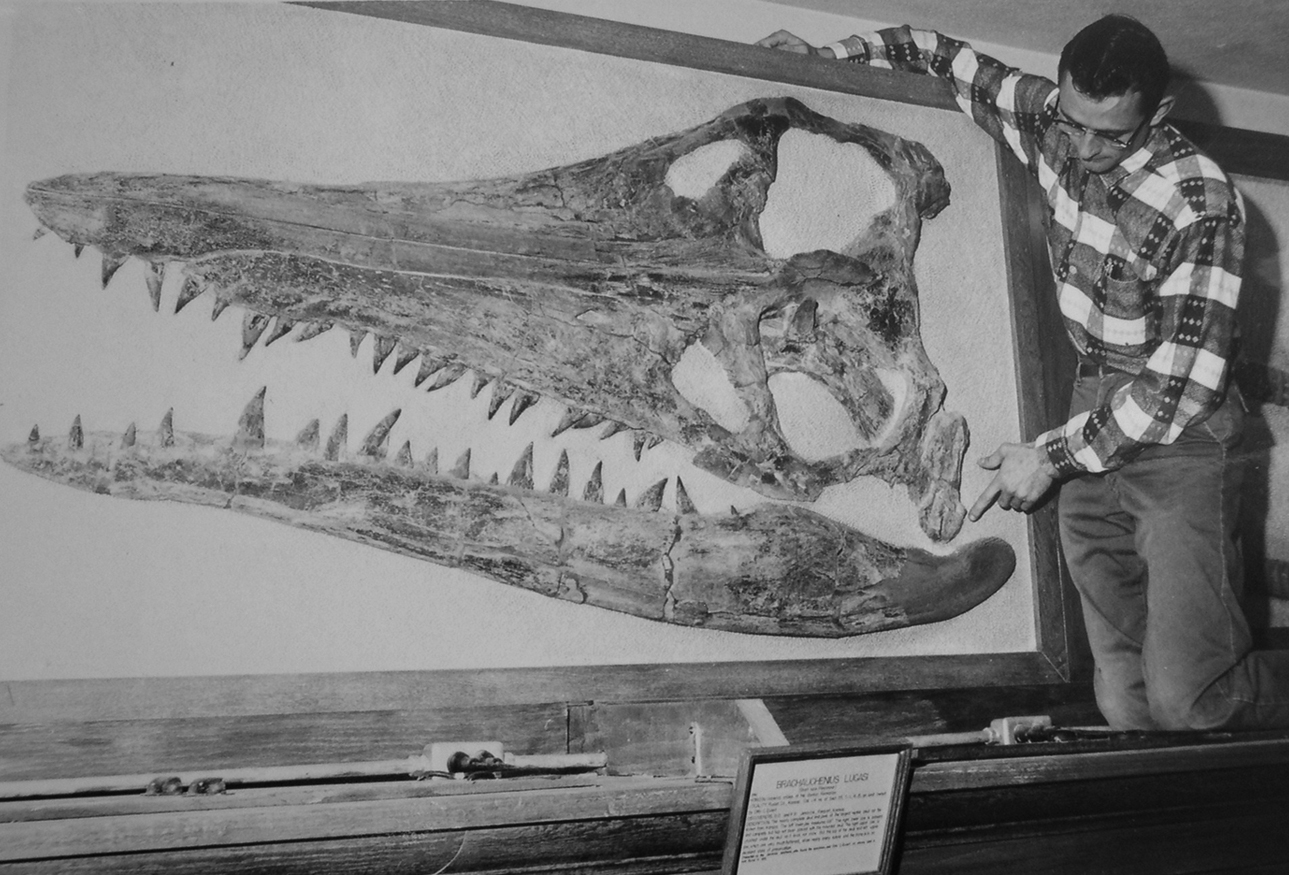
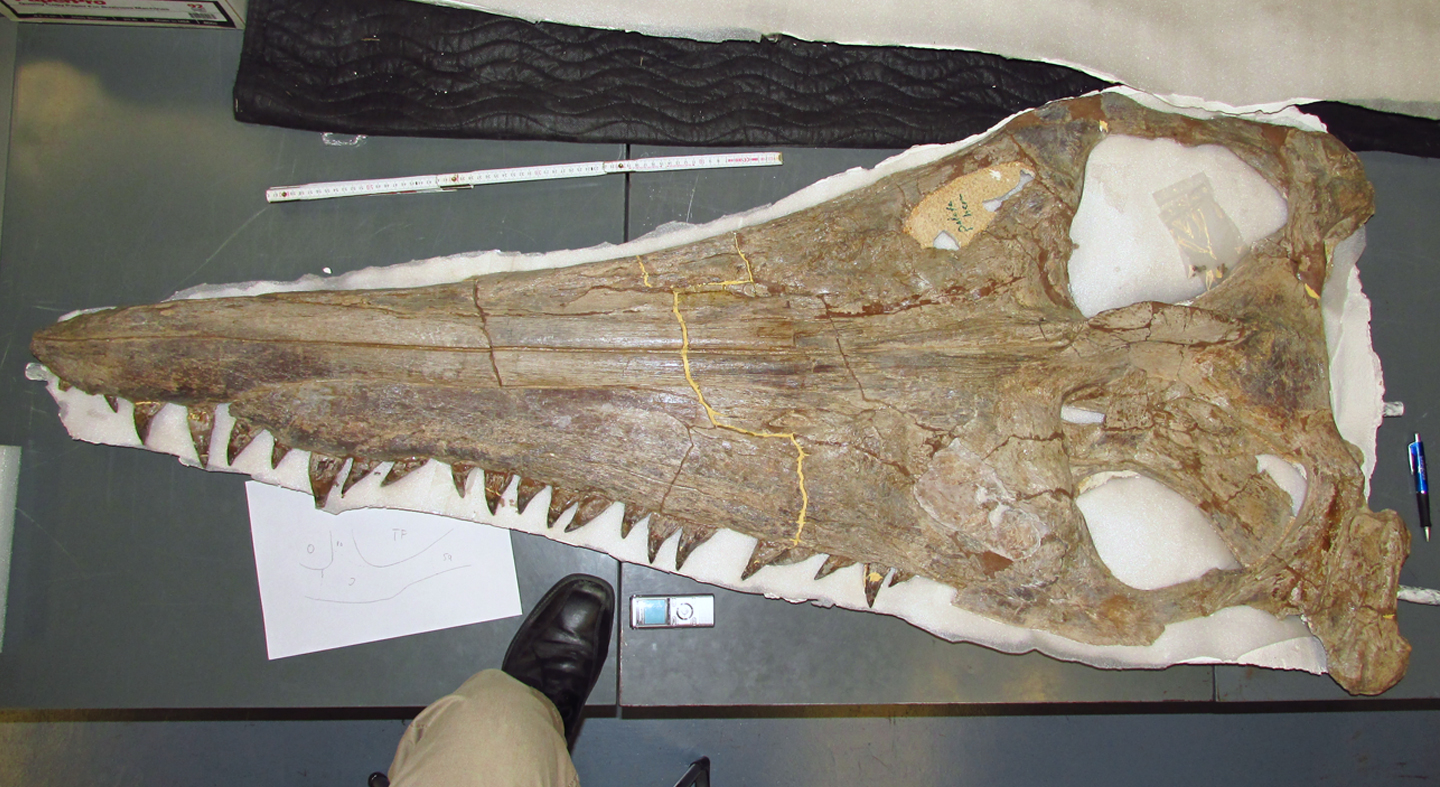
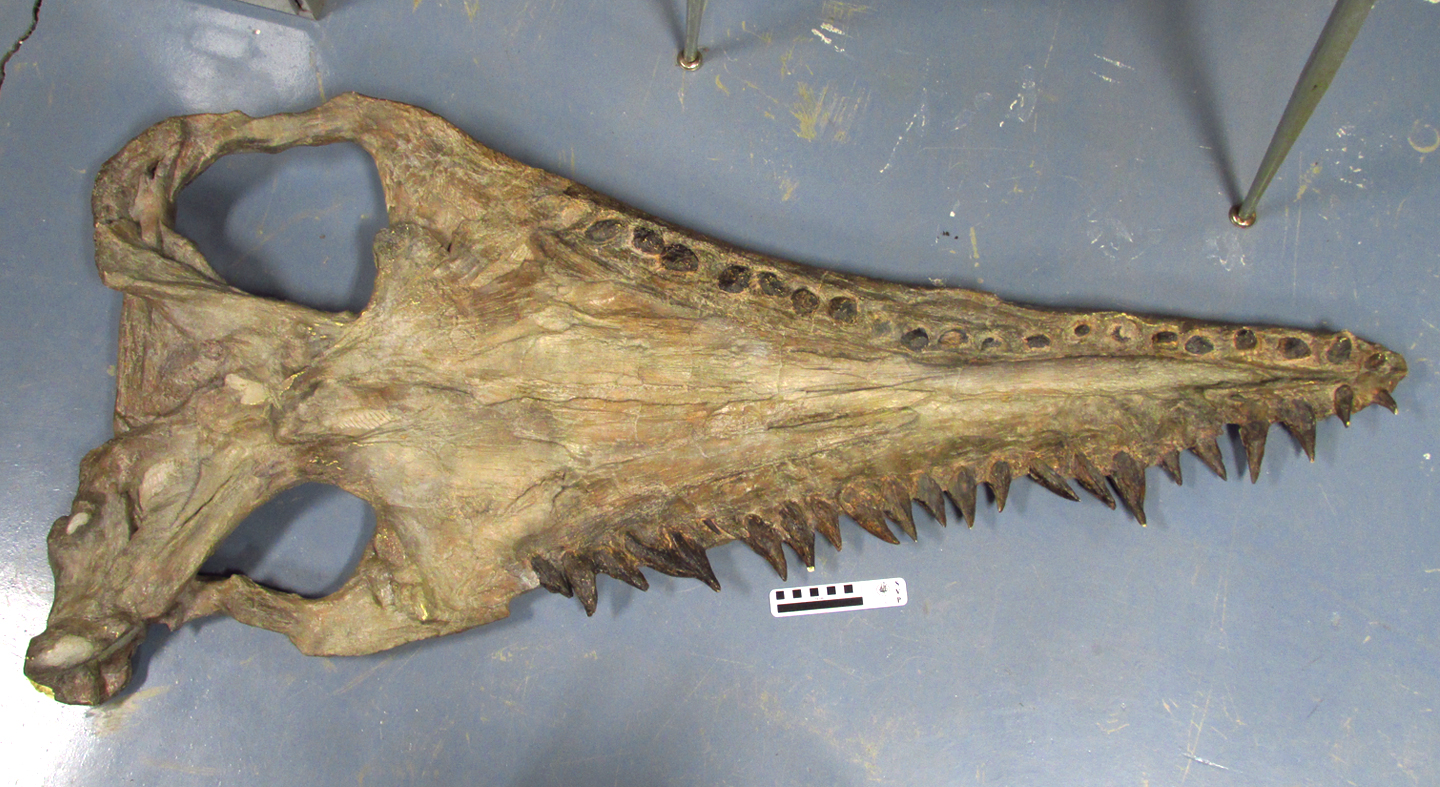
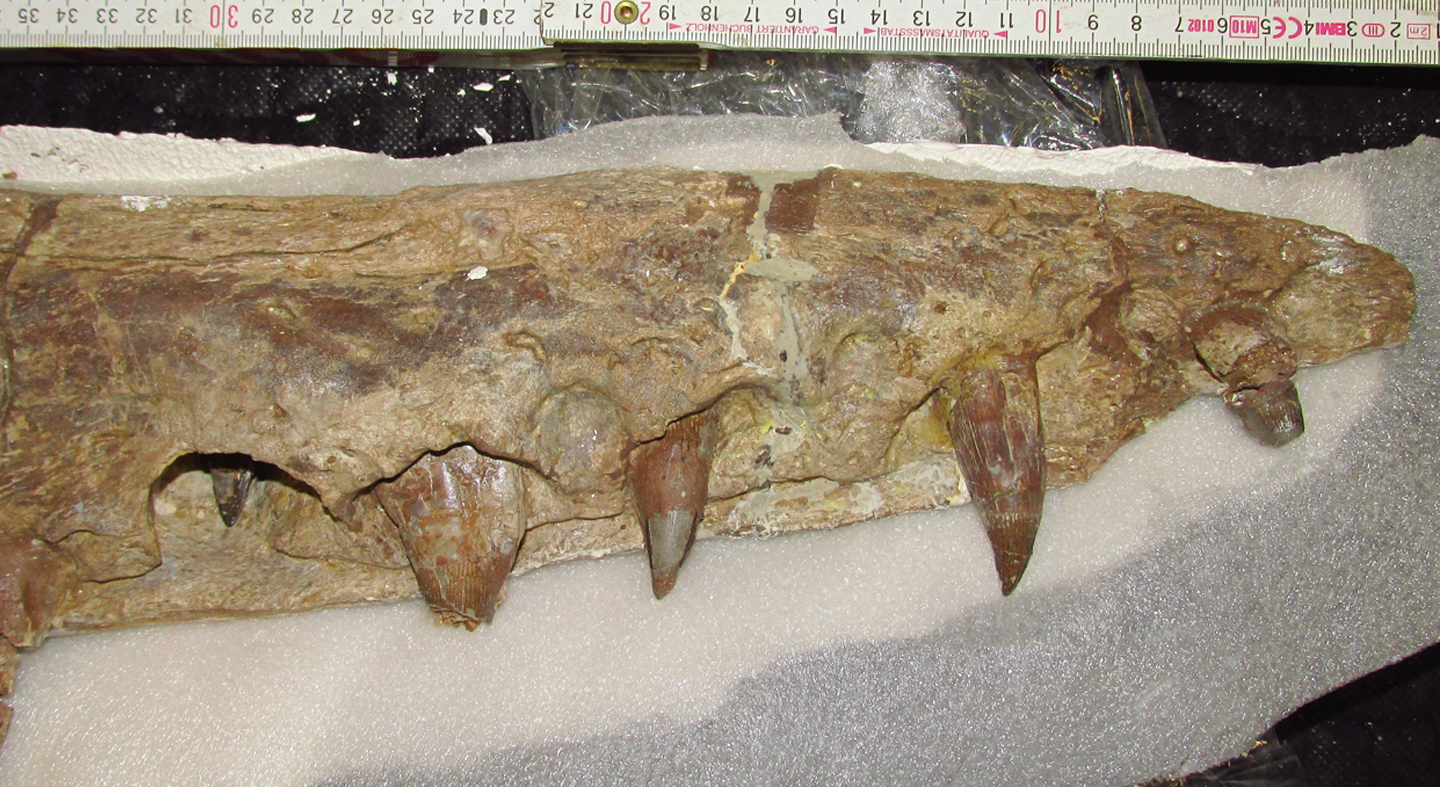
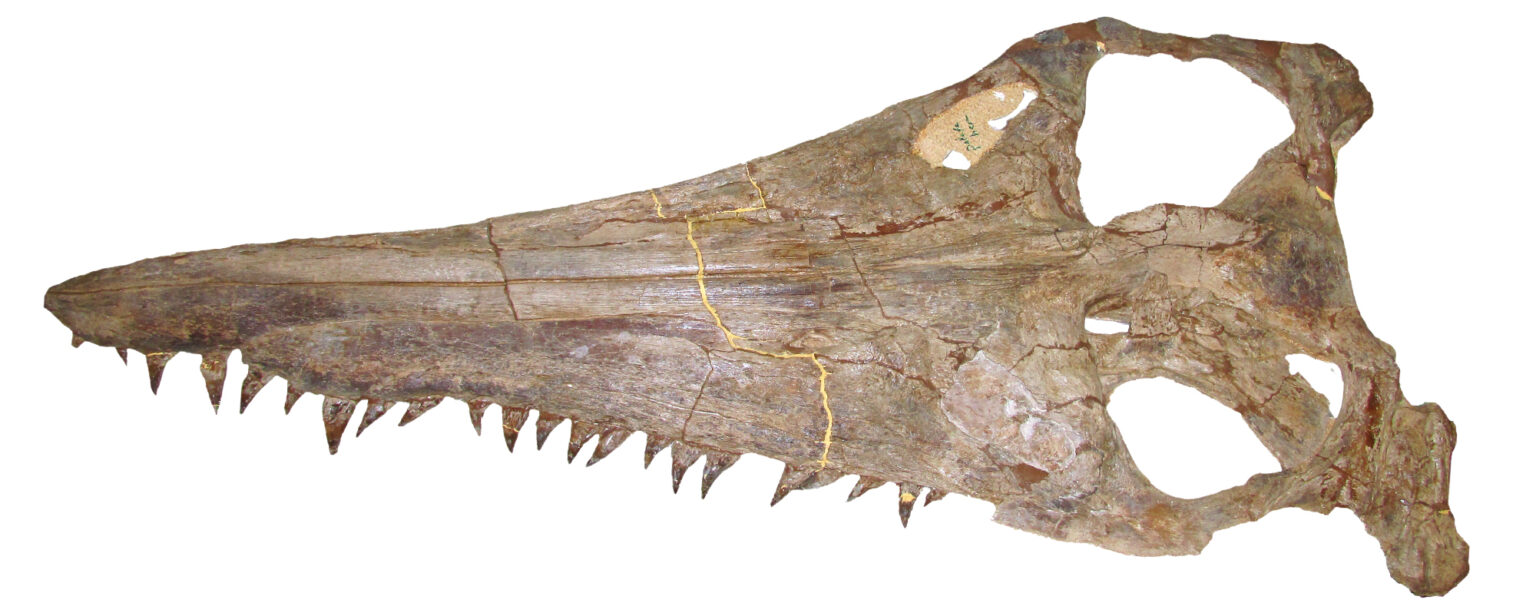
Lateral view of the Megacephalosaurus eulerti holotype skull (FHSM VP-321).

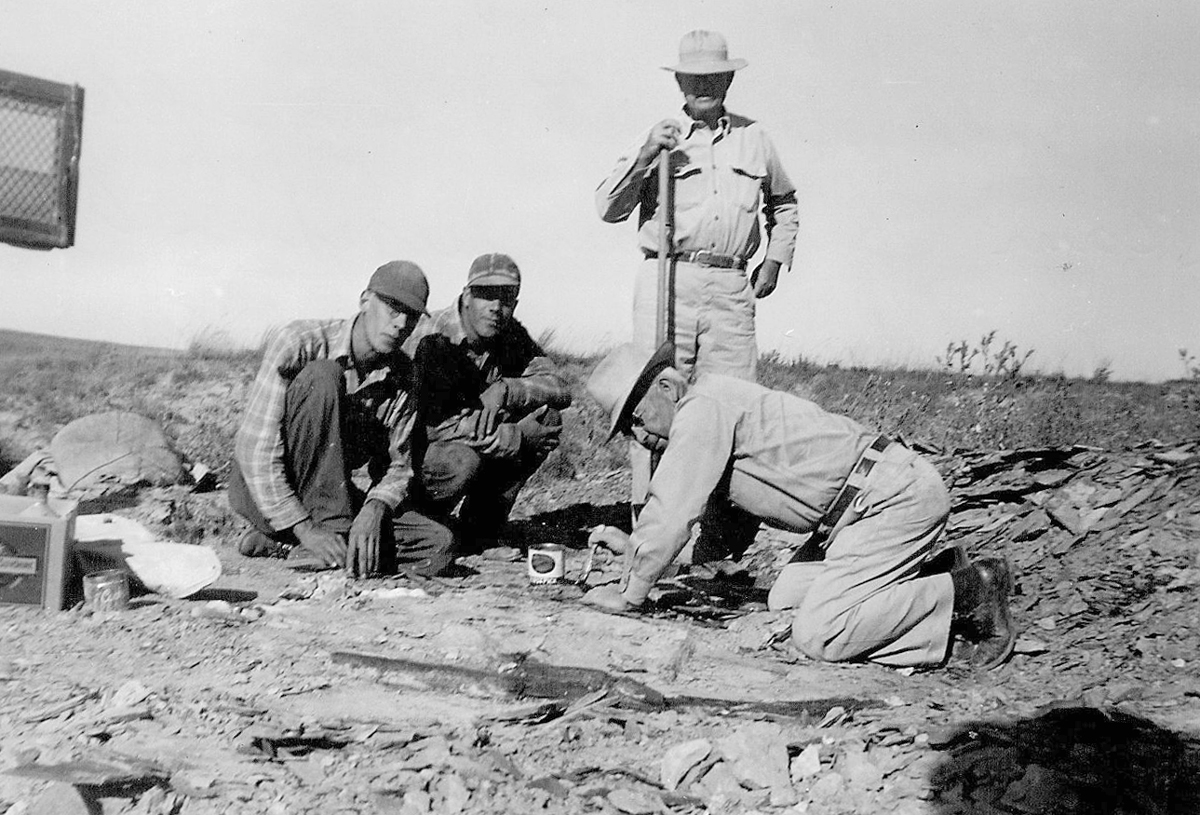
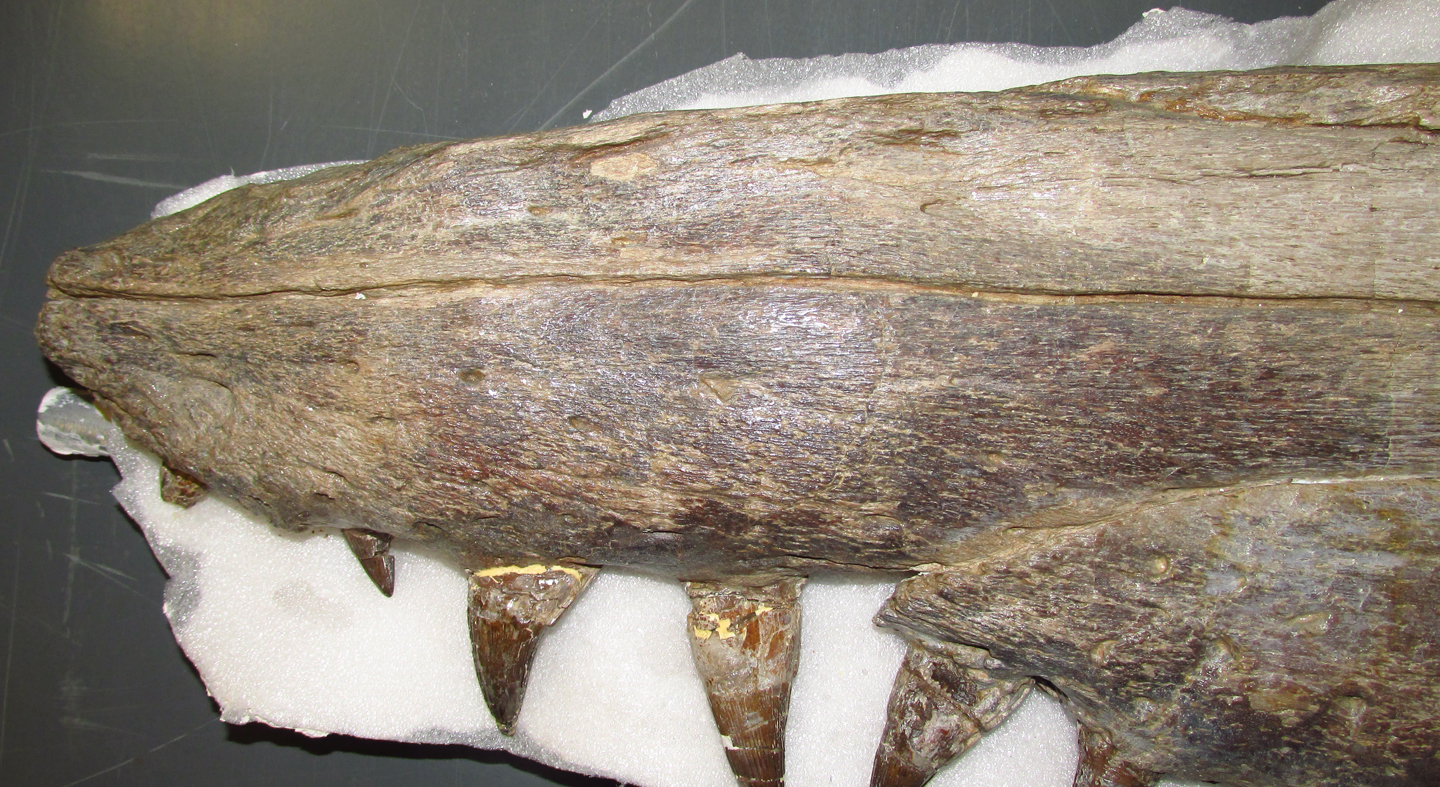
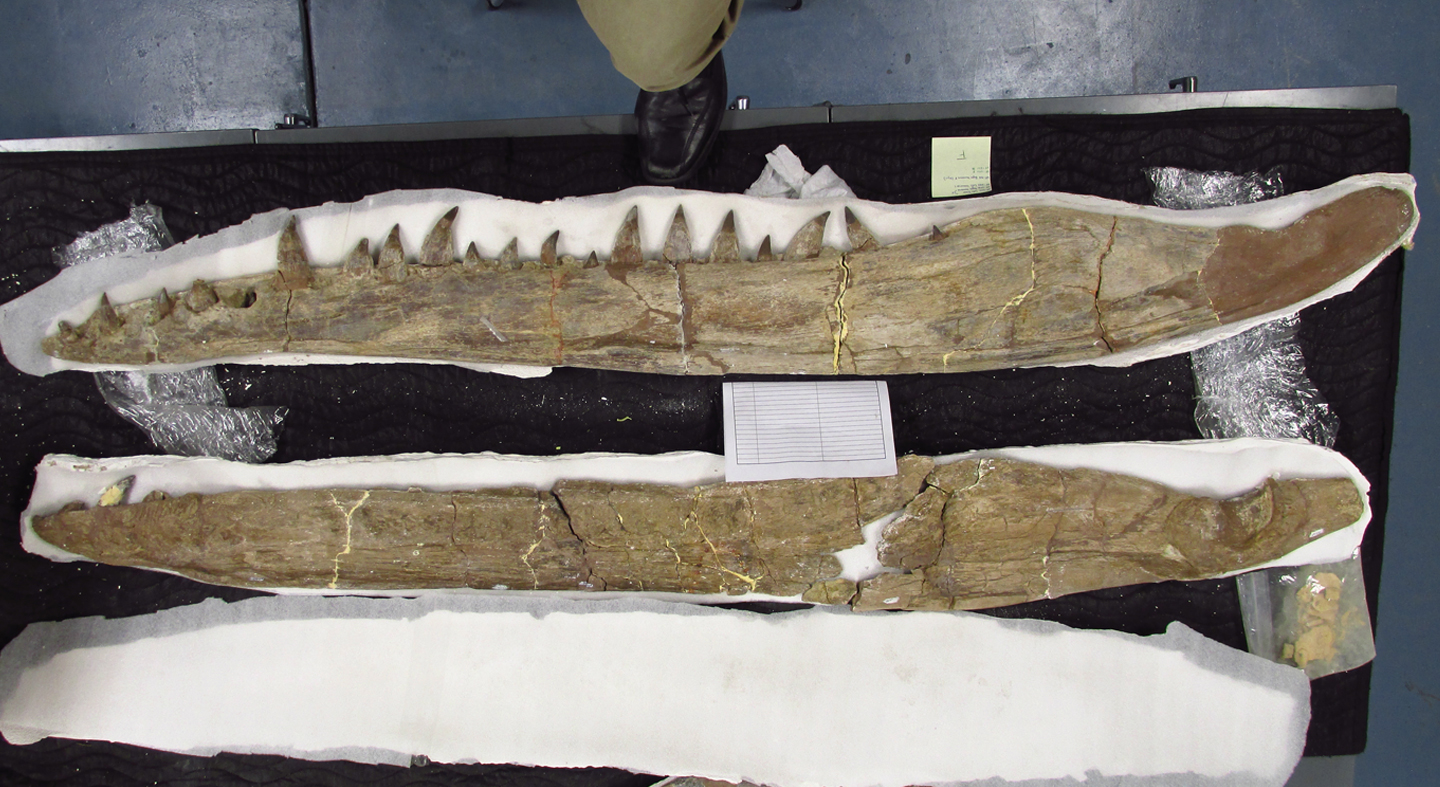
Megacephalosaurus eulerti is one of the last pliosaurid genera and one of the best-documented brachauchenines known so far, especially with regard to its cranial and dental morphology. The holotype specimen, FHSM VP-321, comprises a complete but dorsoventrally flattened skull with associated mandible, along with three cervical rib heads and a fragmentary cervical neural arch. The specimen was discovered in 1950 by Frank and Robert Jennrich and has been donated by the landowner, Otto C. Eulert, to the Sternberg Museum of Natural History. In a first study by Carpenter (1996), the specimen was referred to Brachauchenius lucasi. This identification was later followed by e.g., Schumacher & Everhart (2005) and Schumacher (2008).
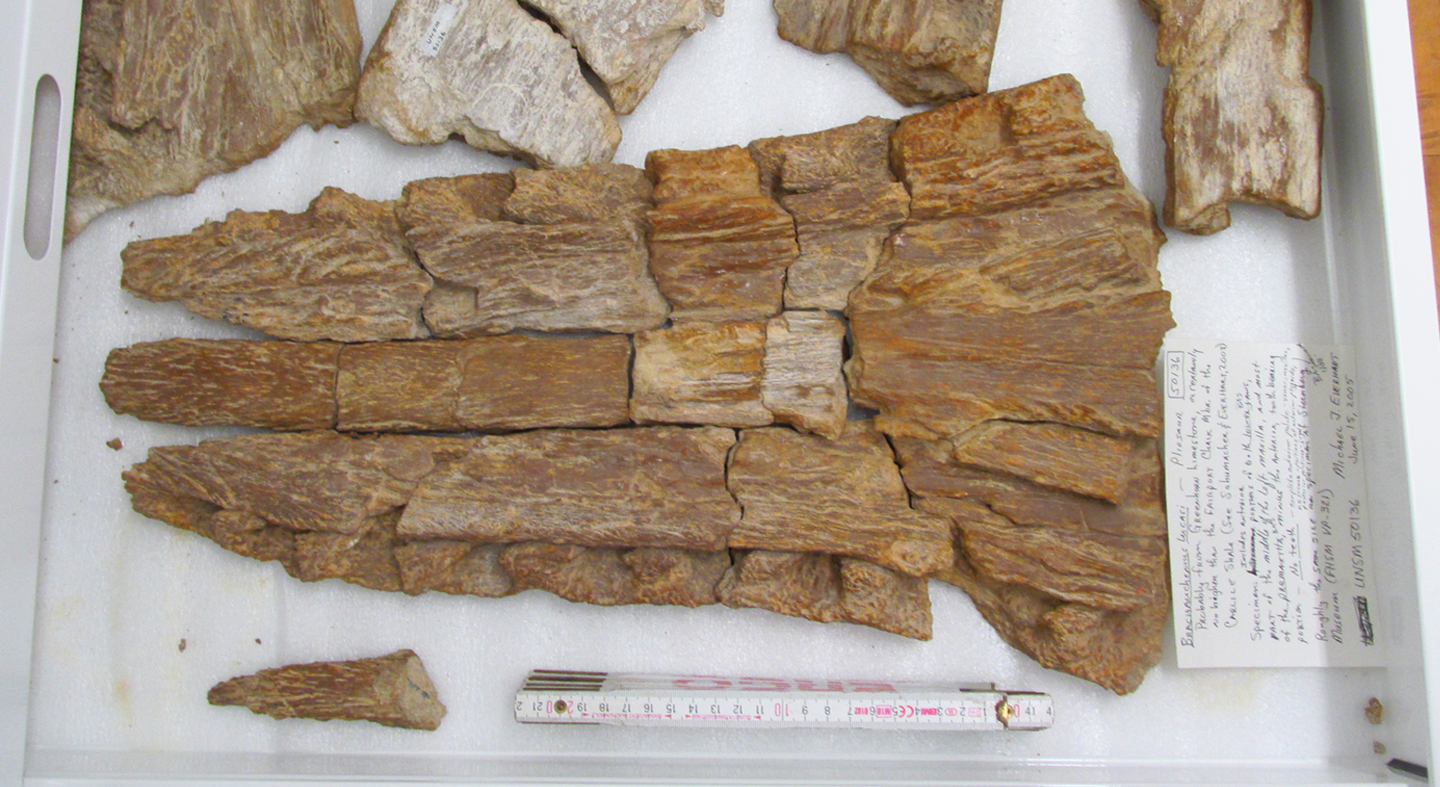
The new genus and species Megacephalosaurus eulerti were established by Schumacher et al. (2013) based upon FHSM VP-321, which became the holotype, and a second specimen, UNSM 50136, that has been designated as the paratype. UNSM 50136 comprises an incomplete skull including elements from the palatal side such as the vomers, the palatines, and the pterygoids, along with fragmentary maxillae and elements at the orbits (Schumacher 2008). The specimen likely originates from the upper Greenhorn Limestone or lowermost Fairport Chalk Member of the Carlile Shale and might have been found in Kansas (Schumacher et al. 2013, 2026).
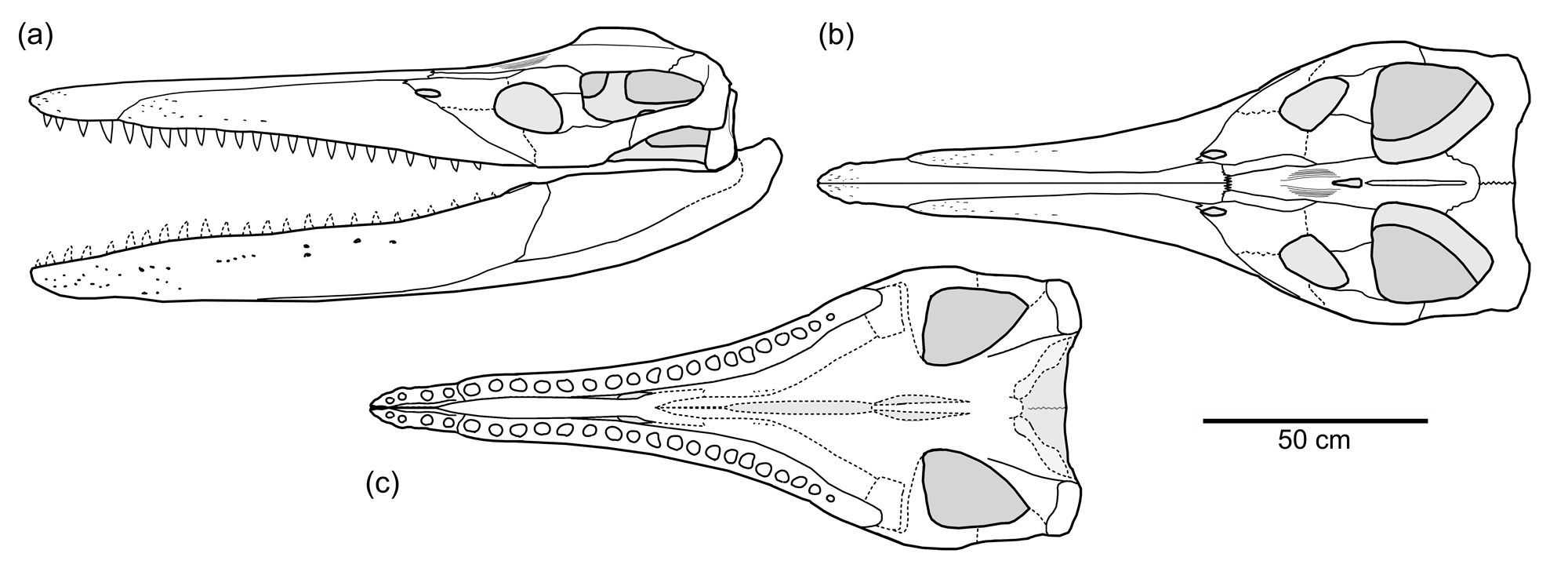
A follow-up study based upon the holotype skull was published by Madzia et al. (2019). This study focused mainly on the dental morphology and the phylogenetic relationships of Megacephalosaurus within Brachaucheninae, presenting a revised diagnosis and a cranial reconstruction of FHSM VP-321.
Genus Megacephalosaurus Schumacher, Carpenter & Everhart, 2013

Type species: Megacephalosaurus eulerti Schumacher, Carpenter & Everhart, 2013
Diagnosis: Large brachauchenine pliosaurid plesiosaur (skull length >1500 mm) differing from Brachauchenius lucasi in the following characters: pretemporal length of the palate significantly longer; temporal fenestrae shorter; frontals interdigitate in the premaxilla/parietal suture in M. eulerti, whereas the frontals of B. lucasi do not contact posterior termination of premaxillae (a thin wedge of bone extends anteriorly between premaxillae and maxillae); premaxilla/parietal suture near the posterior border of the external nares in M. eulerti, whereas in B. lucasi it extends more posteriorly to the midway between external nares and orbits; vomers longer and internal nares positioned further posteriorly than in B. lucasi; posterior termination of vomers visible, medial palatine alae occur further posteriorly than in B. lucasi; long slit-like anterior interpterygoid vacuity present whereas it is absent in B. lucasi; at least some cervical ribs double-headed, whereas all cervical ribs single-headed in B. lucasi (from Madzia et al. 2019).
Distribution: Upper Cretaceous, middle Turonian, North America (USA).

Megacephalosaurus eulerti Schumacher, Carpenter & Everhart, 2013

Holotype: FHSM VP-321, complete skull and mandible, remnants of cervical neural arch and cervical ribs.
Stratum typicum: Collignoniceras woollgari zone, Chalk Member, Carlile Shale, Colorado Group, lower middle Turonian, Upper Cretaceous.
Locus typicus: Near Fairport, NW Russell County, Kansas, USA
Paratype: UNSM 50136, incomplete skull.
Diagnosis: As for the genus.
Status: Valid taxon
Synonyms: None

The Favel Formation pliosaur from Manitoba, Canada

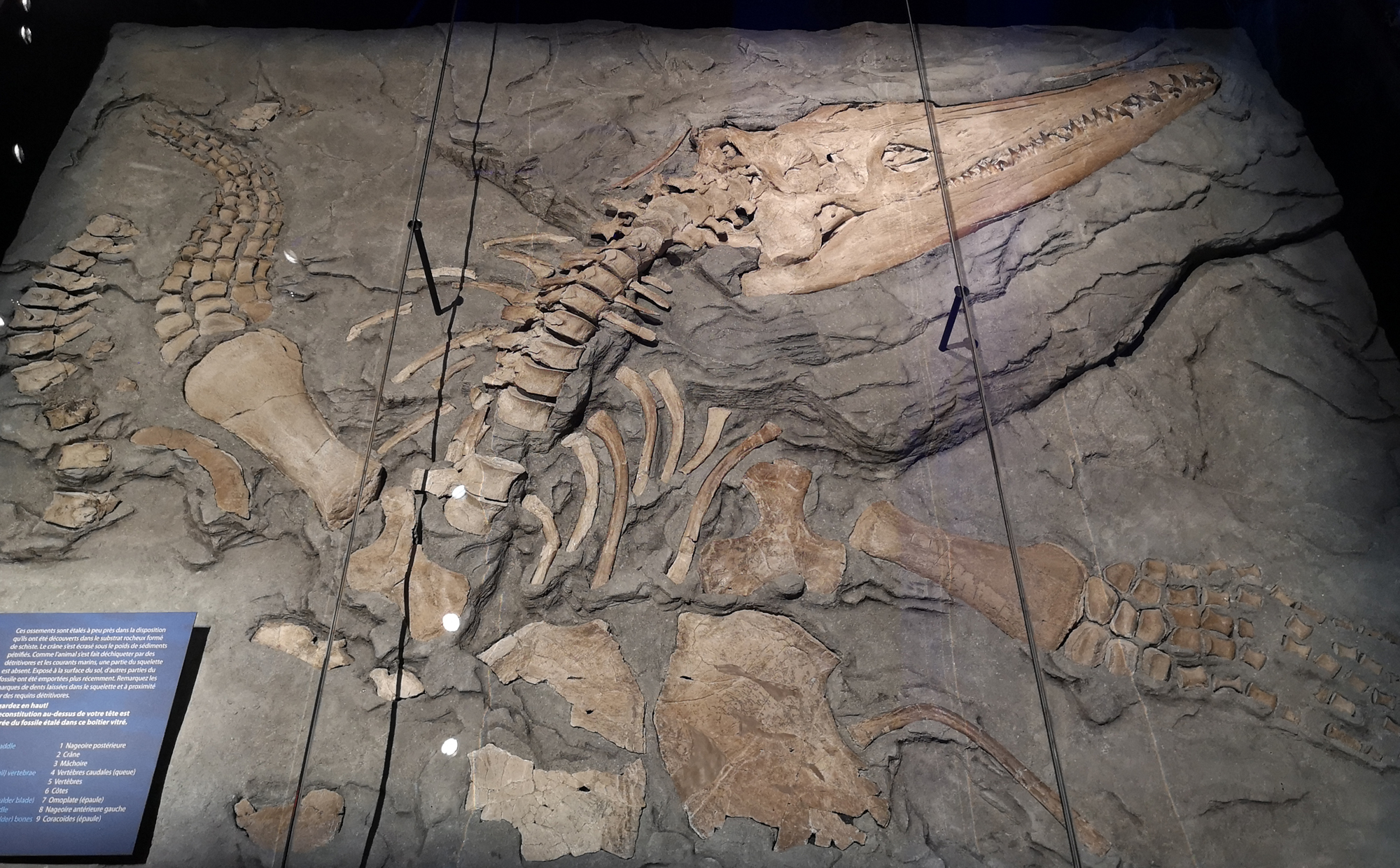
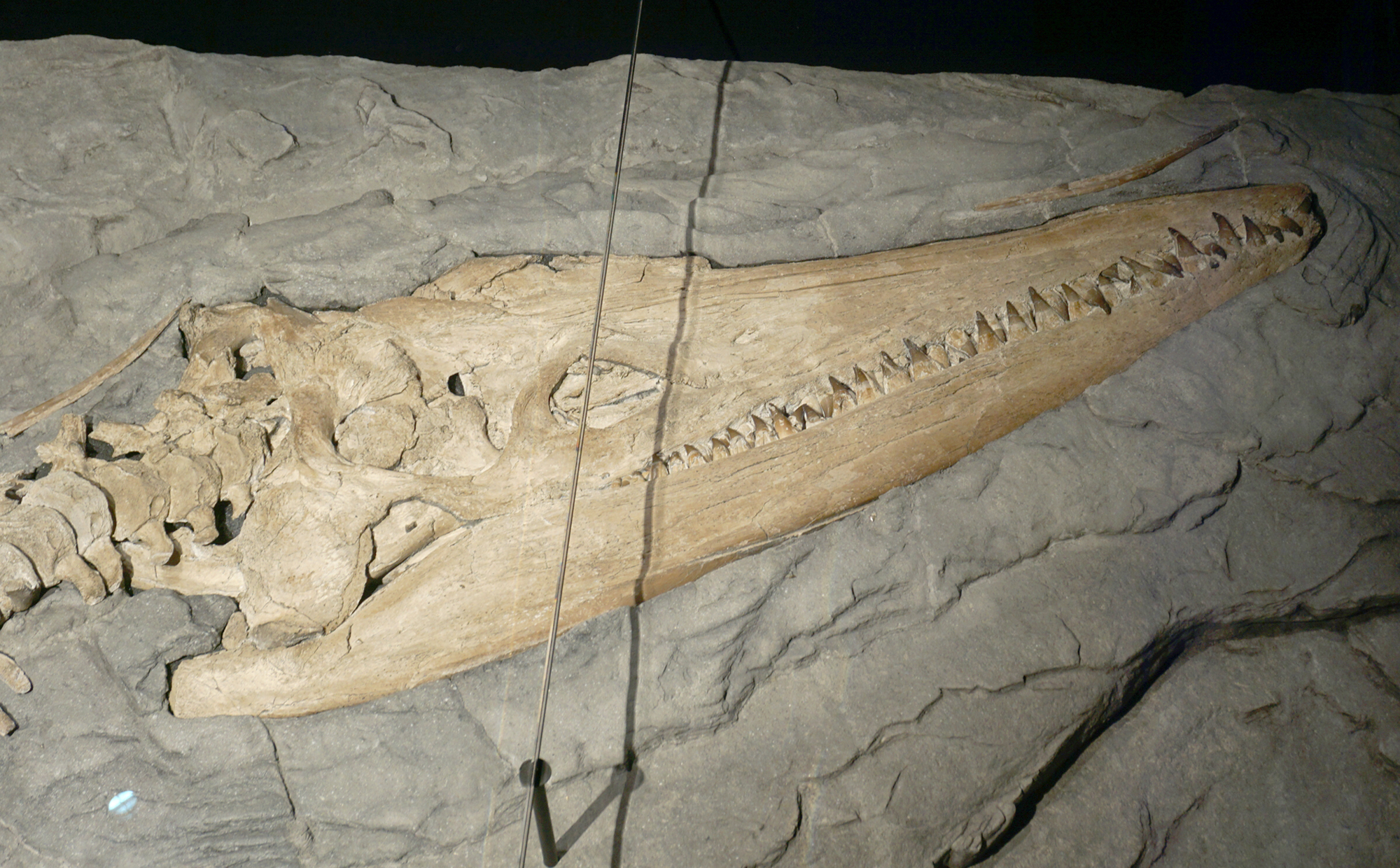
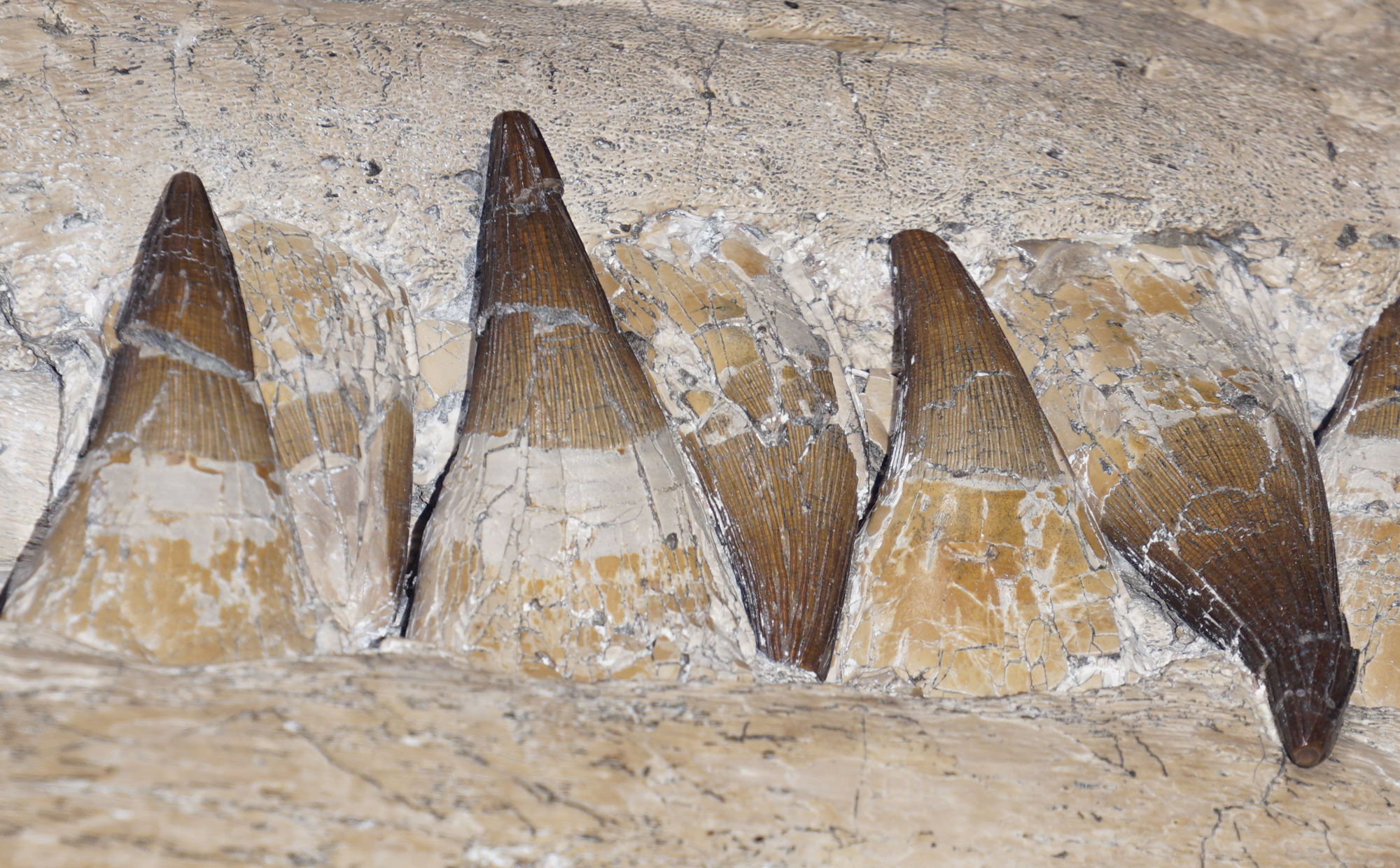
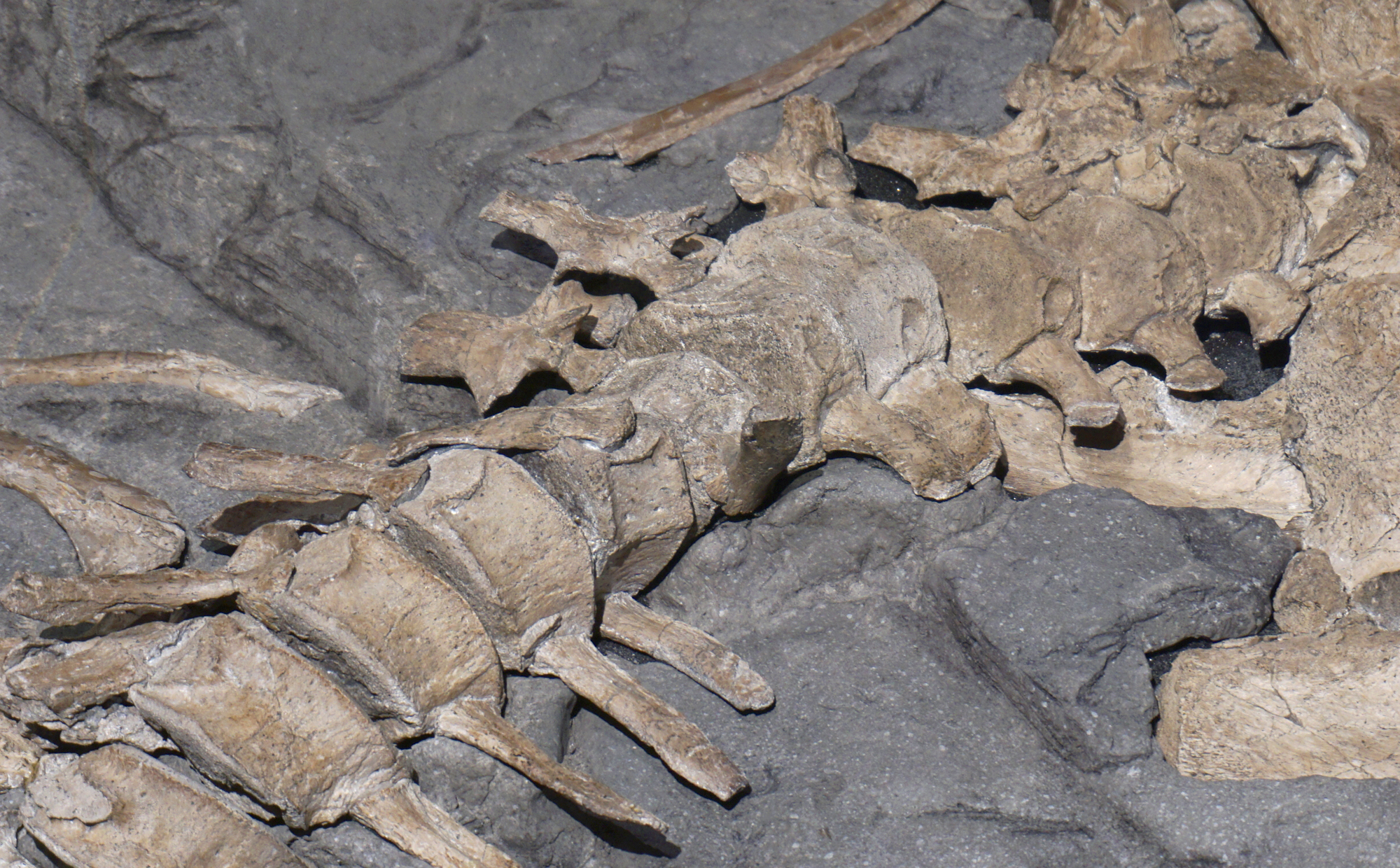
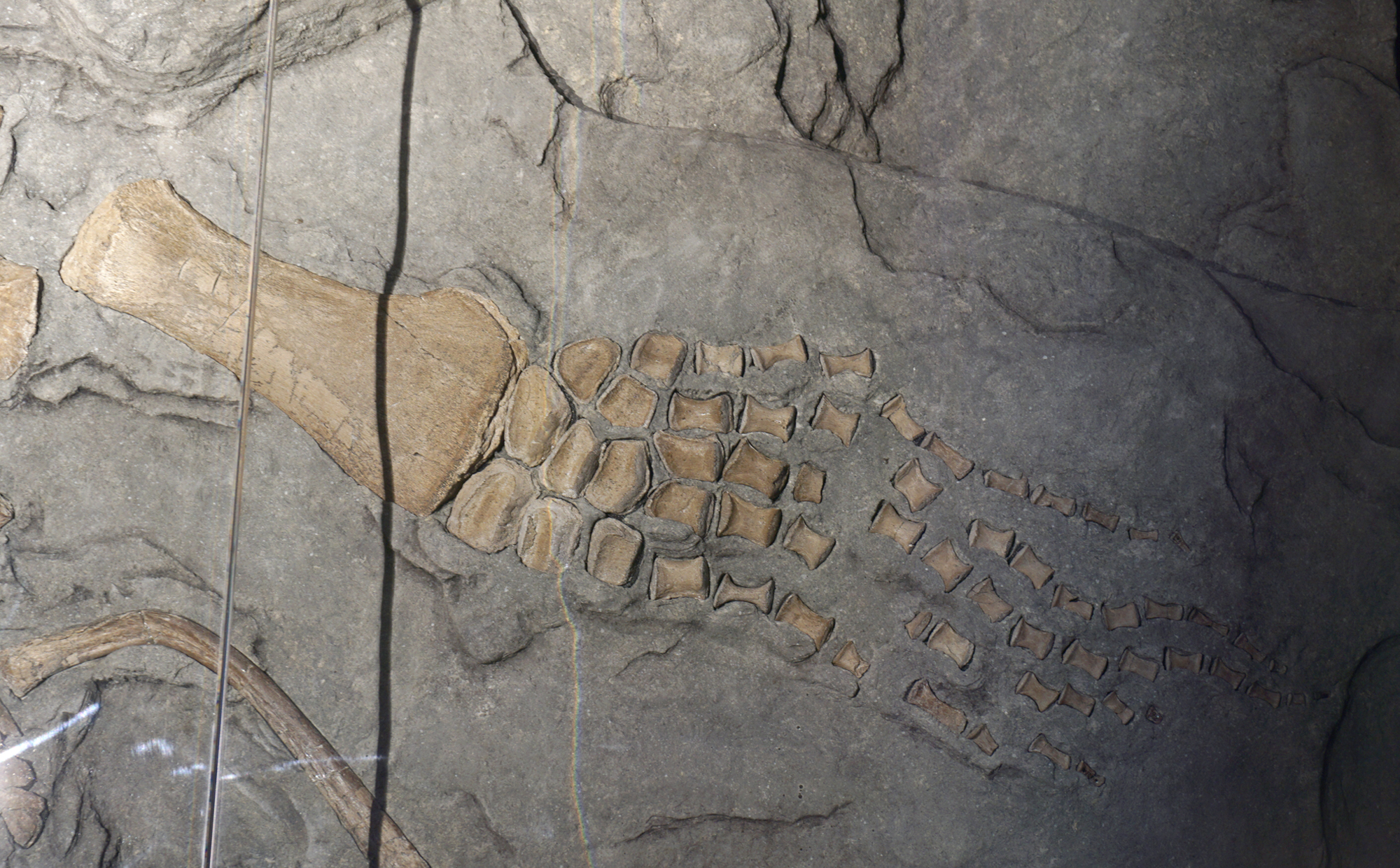
Another specimen that might potentially represent Megacephalosaurus is on display at the Manitoba Museum in Winnipeg (specimen number MM V-3151). This specimen is smaller than the holotype of Megacephalosaurus eulerti, but considerably more complete. It is still largely embedded in matrix but mostly articulated, exposing the skull with attached mandible in right lateral view, part of the axial skeleton, both pectoral paddles, pectoral girdle elements, along with ribs and some other postcranial elements. This specimen derives from the Turonian Favel Formation and was found in 2002 at the Manitoba Escarpment in western Manitoba, Canada, by Wayne Buckley, who also prepared it and later donated it to the Manitoba Museum in 2014. To date, MM V-3151 is still undescribed, but a study is in preparation (Graham Young, pers. comm. 10.2022).

Systematic palaeontology (sensu Madzia et al. 2019)
Plesiosauria de Blainville, 1835
Pliosauridae Seeley, 1874
Thalassophonea Benson & Druckenmiller, 2014
Brachaucheninae Benson & Druckenmiller, 2014

Institutional abbreviations
FHSU, Sternberg Museum of Natural History, Fort Hays State University, Hays, USA
MM, Manitoba Museum, Winnipeg, Manitoba, Canada
UNSM, University of Nebraska State Museum, Lincoln, Nebraska, USA

Note
I was able to study the holotype of Megacephalosaurus eulerti at the Sternberg Museum of Natural History, as well as the paratype at the Nebraska State Museum, in 2015. The results from these research visits were later published (Madzia et al. 2017, 2019). I could also study the Favel Formation pliosaurid at the Manitoba Museum during a joint visit with Daniel Madzia in October 2022. A description is in preparation by a different team, but since the specimen is on public display, I see no issue with sharing some of my photos.

Cited literature

Carpenter, K. (1996) A review of short-necked plesiosaurs from the Cretaceous of the Western Interior, North America. Neues Jahrbuch für Geologie und Paläontologie, Abhandlungen 201:259–287.

Schumacher, B.A., Everhart, M.J. & Shimada, K. (2026) Cenomanian-Turonian occurrences of plesiosaurs (Reptilia: Plesiosauria) in Kansas, USA, and their abundance and ecological context in the Late Cretaceous Western Interior Seaway. Transactions of the Kansas Academy of Science 129(3-4), 313-341.

Scroll to Top